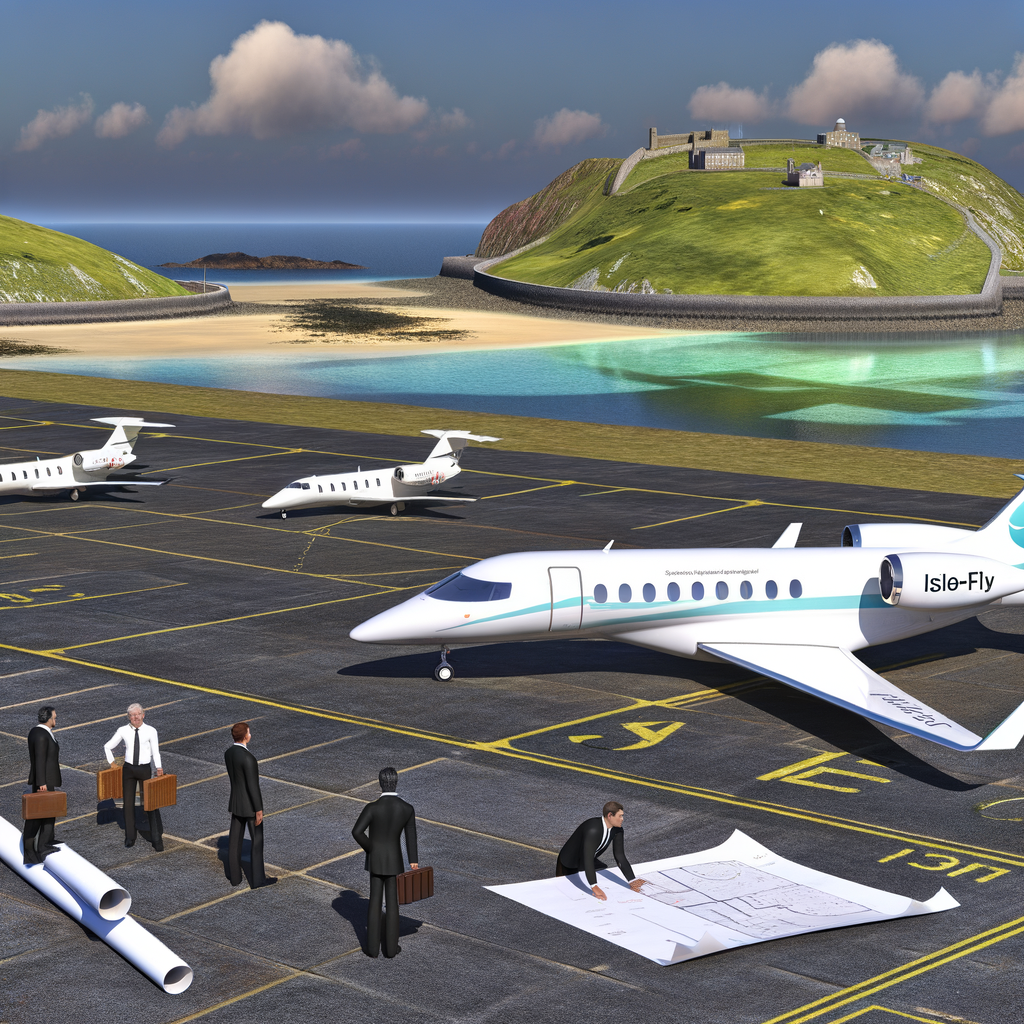
Jersey’s Isle-Fly Mulls First Jet: A New Era in Local Aviation?
Summary: Isle-Fly, Jersey’s homegrown airline, is considering the addition of its first jet aircraft to its fleet, which currently consists of propeller-driven planes. This potential move could revolutionise air travel from the Channel Islands, offering faster connections and a broader range of destinations. However, the implications for local tourism, the economy, and the environment are worth examining.
The Current State of Isle-Fly
Isle-Fly has been a staple in Jersey’s aviation landscape, providing essential connectivity for both residents and tourists alike. With its fleet of propeller aircraft, the airline has successfully catered to short-haul routes, primarily connecting Jersey with the UK and nearby European destinations. However, as travel demands evolve, so too must the services offered by local carriers.
Why Consider a Jet?
The proposal to introduce a jet aircraft into Isle-Fly’s fleet is not merely a whimsical thought; it reflects a strategic response to the growing competition in the aviation sector. With larger airlines expanding their reach and offering more direct flights, Isle-Fly’s management is keenly aware that to remain relevant, they must adapt.
- Speed: Jets can significantly reduce travel times, making Jersey a more attractive destination for business and leisure travellers.
- Capacity: A jet can carry more passengers, which could lead to increased revenue and the potential for lower fares.
- Destinations: The introduction of a jet could open up new routes, connecting Jersey to more distant locations that were previously unfeasible.
Economic Implications
The potential addition of a jet to Isle-Fly’s fleet could have far-reaching economic implications for Jersey. Increased connectivity often leads to a boost in tourism, which is a vital component of the local economy. More visitors mean more spending in local businesses, from hotels to restaurants, and even attractions.
However, it’s essential to consider the flip side. The introduction of a jet could also lead to increased competition with existing carriers, which may not sit well with all stakeholders. The local government must tread carefully to ensure that any changes benefit the community as a whole rather than just a select few.
Environmental Considerations
As we all know, the aviation industry is under scrutiny for its environmental impact. The introduction of a jet, while beneficial in many ways, raises questions about carbon emissions and sustainability. Isle-Fly must consider how to balance the need for growth with the imperative to protect our beautiful island and its surroundings.
Investing in more fuel-efficient aircraft and exploring carbon offsetting initiatives could be part of the solution. After all, no one wants to be the airline that brings more tourists but also more pollution to our pristine shores.
Local Reactions
Reactions from the local community have been mixed. Some residents are excited about the prospect of faster travel and increased tourism, while others express concerns about the potential for noise pollution and environmental degradation. It’s a classic case of “not in my backyard,” where the benefits of progress are weighed against the potential downsides.
Local businesses, particularly those in the tourism sector, are generally in favour of the move, seeing it as an opportunity to attract more visitors. However, environmental groups are likely to voice their concerns, urging the airline to consider the ecological footprint of such a decision.
NSFW Perspective
As we ponder the implications of Isle-Fly’s potential jet acquisition, it’s crucial to remember that progress often comes with its own set of challenges. While the prospect of faster, more efficient air travel is undoubtedly appealing, it must be approached with a balanced perspective that considers economic benefits alongside environmental responsibilities.
In the end, the decision rests with Isle-Fly’s management and the local government. Will they prioritise growth at the expense of our environment, or will they find a way to innovate responsibly? As Jersey continues to navigate the complexities of modern aviation, one thing is clear: the skies above our island are about to get a lot more interesting.



