# The Pharmacy Fiasco: A Pill Too Hard to Swallow for Jersey Residents
**Summary:** The recent closure of a pharmacy branch in St. Clement has sparked outrage among local residents, particularly pensioners like George Sinclair, who have voiced their concerns over accessibility to essential health services. This article delves into the implications of such closures on the community, the government’s role in healthcare provision, and the broader context of public service efficiency in Jersey.
## The Outcry from St. Clement
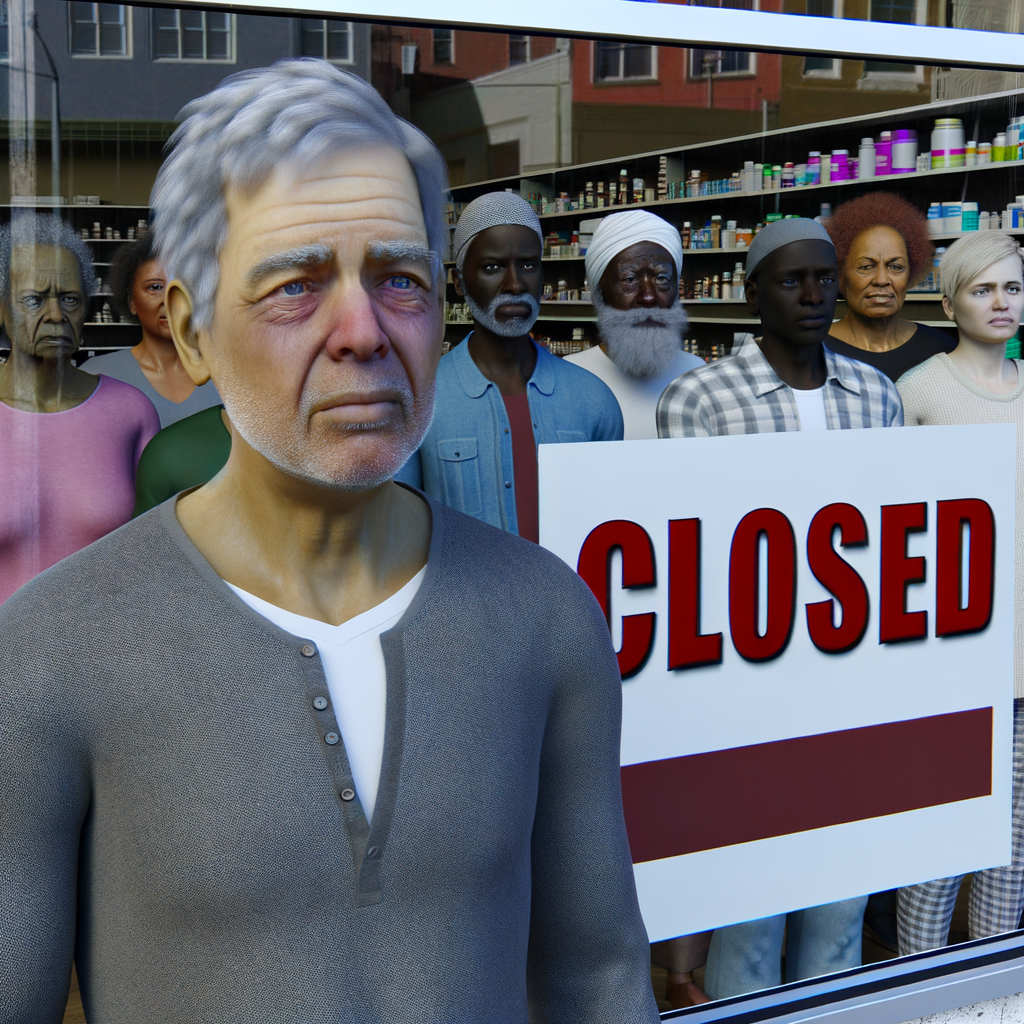
In a move that has left many residents scratching their heads, a pharmacy branch in St. Clement has closed its doors, prompting a wave of discontent among the local population. George Sinclair, a pensioner and resident of the area, has taken it upon himself to voice the frustrations of many, describing the closure as an “absolute disgrace.”
Sinclair’s sentiments echo a growing concern among the elderly and vulnerable populations who rely heavily on local pharmacies for their health needs. With the closure, many are left wondering how they will access vital medications and health advice without having to travel significant distances.
### The Impact on the Community
Pharmacies are not just places to pick up prescriptions; they are community hubs that provide essential services, particularly for those who may struggle with mobility or transportation. The loss of a local pharmacy can lead to increased health risks, as residents may delay or forgo necessary medications due to accessibility issues.
Moreover, the closure raises questions about the government’s commitment to ensuring that all residents have access to essential health services. In a time when the population is ageing, and the demand for healthcare is increasing, the decision to close a pharmacy branch seems counterintuitive, if not downright negligent.
## Government Accountability: A Pillar of Public Service
The Jersey government has a responsibility to ensure that public services, including healthcare, are accessible to all residents. However, the recent pharmacy closure highlights a troubling trend of inefficiency and lack of foresight in public service provision.
Critics argue that the government has been too focused on budget cuts and not enough on the long-term implications of such decisions. The closure of pharmacies, particularly in rural areas, can lead to increased pressure on other healthcare services, such as hospitals and GP surgeries, which are already stretched thin.
### A Closer Look at Public Funds
One must wonder how public funds are being allocated when essential services like pharmacies are being closed. Are we prioritising the right areas? The government’s spending habits have come under scrutiny, with many residents questioning whether their tax contributions are being used effectively.
In a recent statement, the government defended its decision, citing financial constraints and the need to streamline services. However, this raises the question: at what cost? The health and well-being of residents should be a top priority, and cutting essential services is a short-sighted approach that could have long-term repercussions.
## The Wider Context: A National Issue
The closure of pharmacies is not just a local issue; it reflects a broader trend seen across the UK. Many rural areas are facing similar challenges, with pharmacies closing due to financial pressures and changing healthcare models. This trend could have significant implications for Jersey, particularly as it seeks to position itself as a forward-thinking, health-conscious community.
As the government grapples with these challenges, it must consider the unique needs of its residents. The closure of a pharmacy in St. Clement is a wake-up call for policymakers to reassess their priorities and ensure that essential services remain accessible to all.
## NSFW Perspective: A Call for Action
The recent pharmacy closure in St. Clement serves as a stark reminder of the importance of accessible healthcare services in our communities. As residents like George Sinclair voice their concerns, it is crucial for the government to listen and take action.
The NSFW perspective encourages readers to advocate for their rights and demand accountability from their elected officials. It is time for the Jersey government to prioritise the health and well-being of its residents over budget cuts and financial constraints.
In conclusion, the closure of a pharmacy is not just an inconvenience; it is a significant issue that affects the lives of many. As we move forward, let us hope that the government takes heed of the concerns raised by the community and works towards a solution that ensures all residents have access to the healthcare services they need. After all, a healthy community is a thriving community, and that should be the ultimate goal for all of us.



