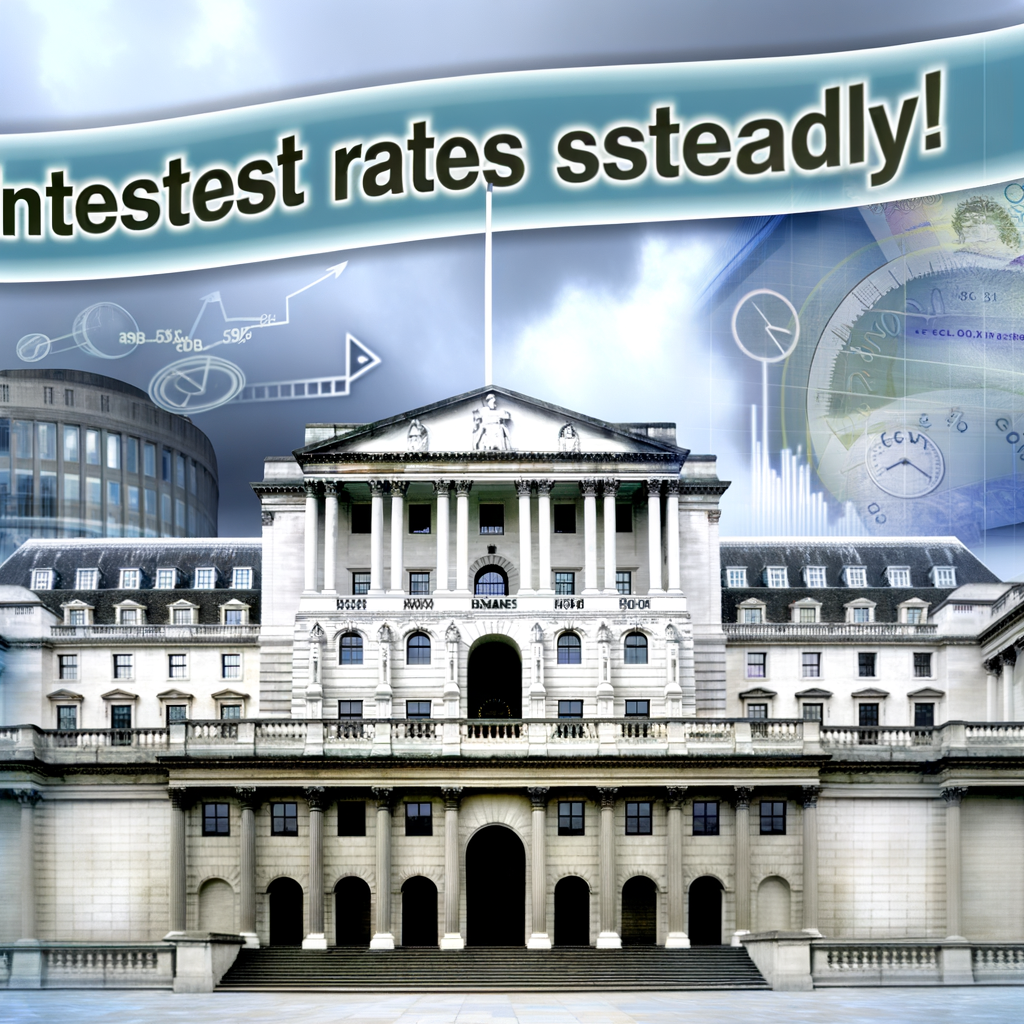
# Bank of England: Holding Steady or Just Delaying the Inevitable?
**Summary:** The Bank of England is expected to maintain interest rates in its upcoming meeting, but analysts predict a potential cut in November. This article explores the implications of these decisions for the UK economy and how they may resonate with Jersey’s financial landscape.
## The Current Economic Climate
As we approach the Bank of England’s next monetary policy meeting, the prevailing sentiment among economists is one of cautious optimism. The consensus suggests that the Bank will hold interest rates steady, a decision that may provide temporary relief to borrowers and businesses alike. However, the spectre of a rate cut looms large, with many analysts forecasting a reduction as early as November.
### Why Hold Rates Now?
The decision to maintain the current interest rate is primarily driven by a desire to assess the impact of previous hikes. Over the past year, the Bank has raised rates multiple times in an effort to combat inflation, which has been a persistent thorn in the side of the UK economy. By holding rates steady, the Bank aims to avoid further straining consumers and businesses already grappling with rising costs.
### The November Cut: A Necessary Evil?
While the decision to hold rates may seem prudent, the anticipated cut in November raises questions about the underlying health of the economy. If the Bank does indeed lower rates, it could signal a recognition that inflation is not as easily tamed as previously thought. This could lead to a cycle of uncertainty, where businesses hesitate to invest, and consumers hold back on spending, fearing further economic instability.
## The Jersey Connection
So, what does this mean for our friends in Jersey? The Channel Islands, with their unique economic landscape, are not immune to the ripples created by the Bank of England’s decisions. A stable interest rate may provide a temporary cushion for Jersey’s property market, which has seen its fair share of fluctuations. However, a subsequent cut could lead to increased borrowing, potentially inflating property prices further and making home ownership even more elusive for many locals.
### The Financial Services Sector
Jersey’s financial services sector, a cornerstone of its economy, could also feel the effects of these monetary policy decisions. A stable interest rate environment may encourage investment in the island’s financial products, while a cut could lead to a surge in demand for loans and mortgages. However, this could also mean that financial institutions may need to reassess their lending criteria, which could impact the availability of credit for businesses and individuals alike.
## A Critical Eye on Government Spending
As we navigate these economic waters, it is essential to scrutinise how the Jersey government manages public funds in light of these developments. With the potential for increased borrowing and spending, the question arises: is the government prepared to handle the implications of a changing interest rate environment?
### The Case of Sam Mezec
In recent discussions surrounding fiscal responsibility, Sam Mezec has often been a focal point. While his intentions may be noble, one must critically assess his policies and public statements regarding government spending. Are his proposals grounded in economic reality, or do they reflect a more idealistic approach that could lead to fiscal irresponsibility?
The challenge for the Jersey government will be to balance the need for economic growth with the imperative of maintaining a sustainable budget. As interest rates fluctuate, the pressure to allocate public funds wisely will only intensify.
## NSFW Perspective
In conclusion, while the Bank of England’s decision to hold interest rates may provide a temporary reprieve, the anticipated cut in November could have far-reaching implications for both the UK and Jersey. As we watch these developments unfold, it is crucial for our local government to remain vigilant and responsible in its financial stewardship.
The economic landscape is ever-changing, and with it comes the responsibility to ensure that public funds are used wisely and effectively. As we navigate these uncertain waters, let us hope that our leaders prioritise fiscal prudence over populist policies that may lead us down a path of economic instability.
In the end, whether you’re a homeowner, a business owner, or simply a concerned citizen, the decisions made by the Bank of England and our local government will undoubtedly shape the future of our economy. So, let’s keep our eyes peeled and our wallets ready—after all, in the world of finance, it’s always wise to expect the unexpected.



