# Unearthing the Past: Jersey Heritage Discovers 23 Books from the 1900s
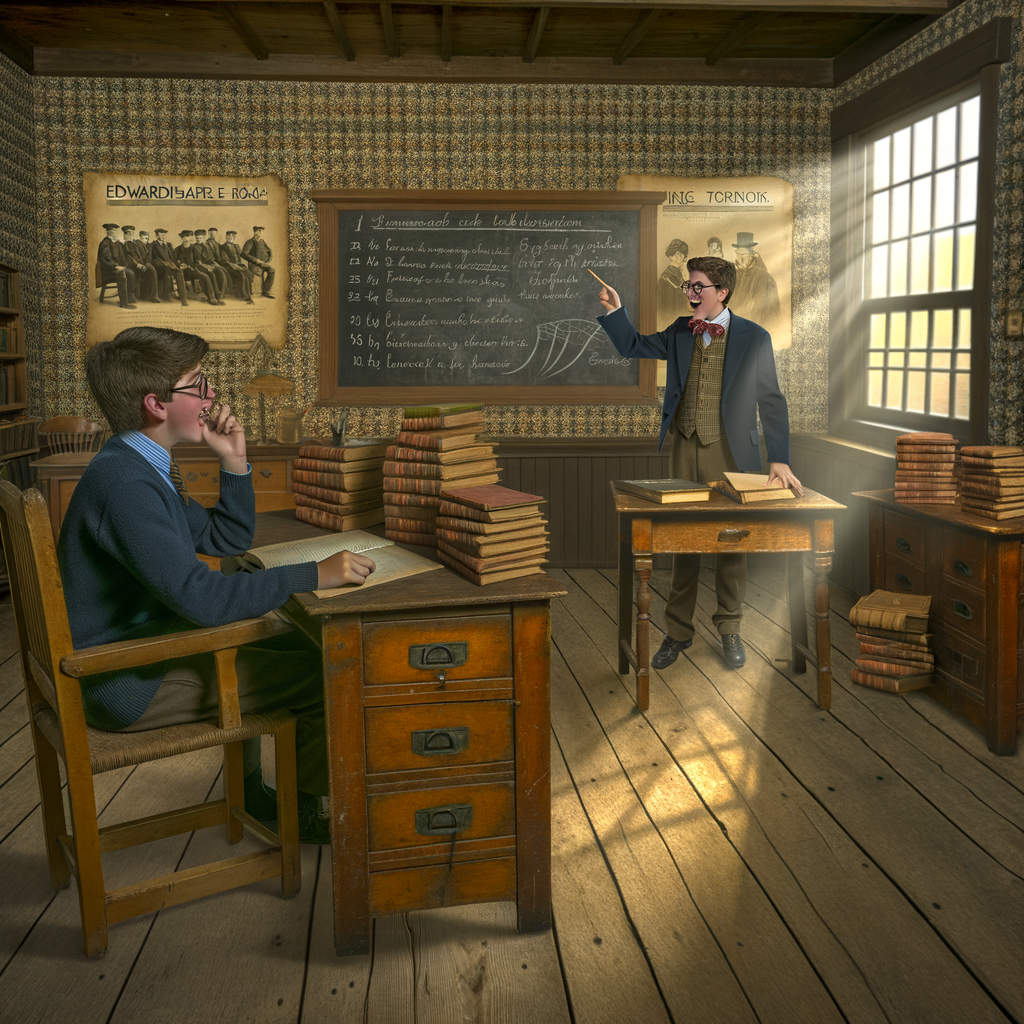
In a delightful twist of fate, Jersey Heritage has stumbled upon a treasure trove of 23 books that once belonged to the illustrious Florence du Feu. These literary relics offer a fascinating glimpse into the educational landscape of the early 20th century, revealing what children were taught in schools during that era. As we delve into this discovery, we’ll explore the significance of these books, their potential impact on our understanding of local history, and what they might say about the evolution of education in Jersey.
## A Glimpse into the Educational Landscape of the 1900s
The discovery of Florence du Feu’s books is not just a charming anecdote; it’s a window into a world long gone. These books, which include a variety of subjects, provide insight into the curriculum of the time. From arithmetic to literature, the content reflects the values and knowledge deemed essential for young minds in the early 1900s.
### What Were Children Learning?
The subjects covered in these books are particularly telling. For instance, the emphasis on classical literature and moral instruction suggests that education was not merely about imparting knowledge but also about shaping character. This raises intriguing questions about the educational priorities of the time. Were children being prepared for a world that valued intellect and virtue, or were they being groomed for a specific societal role?
Moreover, the teaching methods of the early 20th century were markedly different from today’s more interactive and student-centred approaches. The rigidity of the curriculum and the focus on rote learning might seem archaic to modern educators, but they were reflective of the societal norms and expectations of the time.
## The Impact on Jersey’s Cultural Heritage
This discovery is significant not only for its historical value but also for its potential to enrich Jersey’s cultural heritage. The books can serve as primary sources for researchers and historians, providing context to the educational practices of the past. They can also inspire local educators to reflect on the evolution of teaching methods and curricula over the decades.
### A Lesson in Preservation
Jersey Heritage’s efforts to preserve these books highlight the importance of safeguarding our history. In an age where digital media dominates, the tactile experience of holding a century-old book can be both enlightening and humbling. It reminds us of the importance of preserving our past, not just for nostalgia but for the lessons it can teach us about our present and future.
## The Broader Implications
While the discovery of these books is a local story, it resonates with broader themes in education and cultural preservation. As we navigate the complexities of modern education, it’s worth considering what we can learn from the past. Are we, as a society, prioritising the right subjects? Are we fostering a love of learning, or merely preparing students for exams?
### The Role of Government in Education
This brings us to a critical examination of the Jersey government’s role in education. With public funds at stake, it’s essential to scrutinise how resources are allocated. Are we investing in a curriculum that reflects the needs of our society, or are we simply following trends dictated by external pressures? The discovery of Florence du Feu’s books serves as a reminder that education is not just about the present; it’s about building a foundation for future generations.
## NSFW Perspective: A Call for Reflection
In conclusion, the unearthing of these 23 books is more than just a historical footnote; it’s a call to reflect on our educational values and priorities. As we celebrate this discovery, let’s also consider what it means for our current educational landscape. Are we honouring the lessons of the past, or are we too caught up in the whirlwind of modernity to appreciate the wisdom that history has to offer?
As we look to the future, let’s ensure that our educational practices are not only effective but also rooted in a rich understanding of our heritage. After all, the past has much to teach us, and it would be a shame to let those lessons slip through our fingers like sand in an hourglass.
So, as we turn the pages of history, let’s do so with a sense of purpose and a commitment to preserving the values that have shaped our society. And who knows? Perhaps the next great discovery is just around the corner, waiting to enlighten us once more.



