# The Aftermath of the Trump-Harris Debate: Conspiracy Theories and Their Implications
In the wake of a fiery debate between Donald Trump and Kamala Harris, the political landscape has once again been ignited by a flurry of conspiracy theories propagated by MAGA supporters. This article delves into the nature of these theories, their potential impact on the political discourse, and what it all means for our local Jersey audience.
## Key Points
– The recent debate between Trump and Harris has sparked a resurgence of conspiracy theories among MAGA supporters.
– These theories often distract from substantive political discussions and can polarise public opinion.
– The implications of such theories extend beyond the US, potentially influencing political sentiments in Jersey and the wider Channel Islands.
## The Debate: A Catalyst for Conspiracy
The recent debate was not just a clash of policies but a battleground for narratives. Trump, known for his bombastic style, faced off against Harris, who brought her own brand of assertiveness to the stage. While the debate was meant to clarify positions on key issues, it quickly devolved into a spectacle, with both sides trading barbs and accusations.
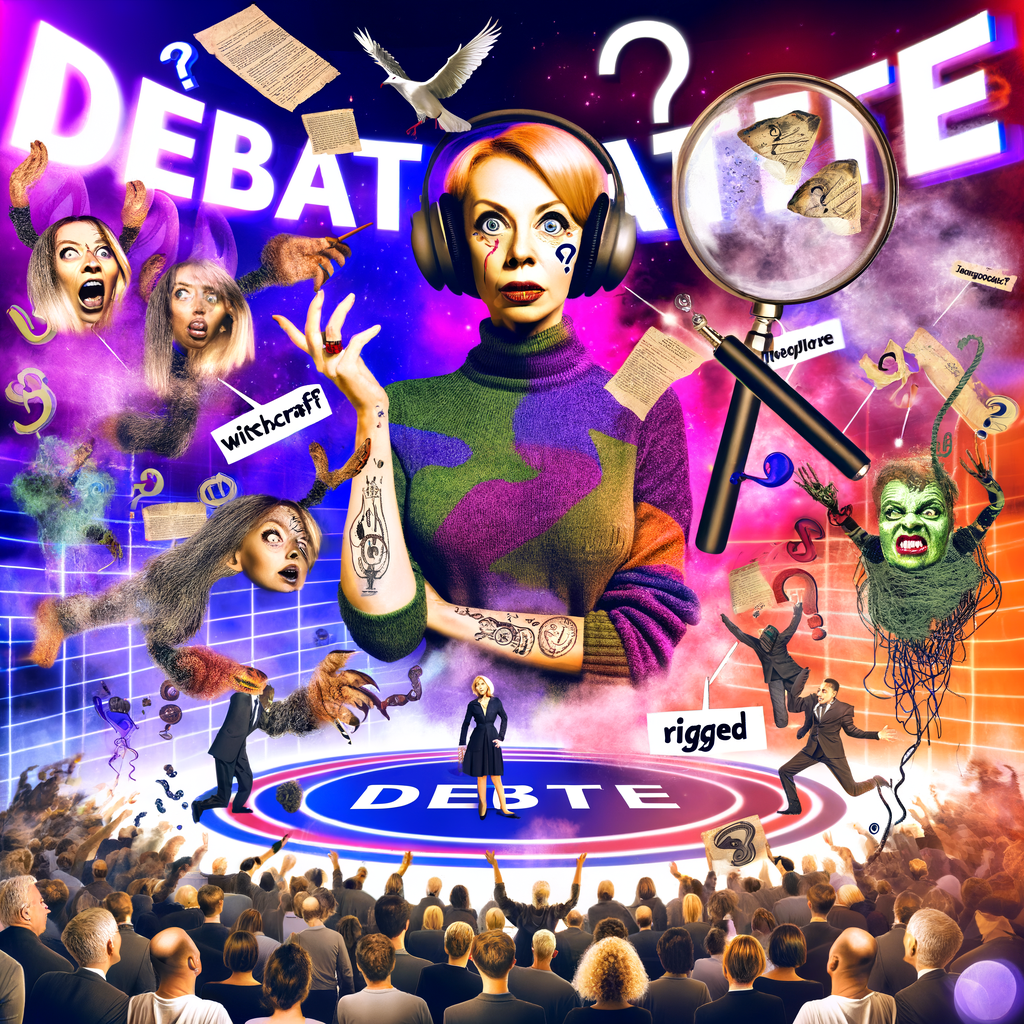
In the aftermath, MAGA supporters have taken to social media, spinning a web of conspiracy theories that range from the absurd to the alarming. Claims of election rigging, shadowy figures pulling the strings, and even allegations of Harris’s supposed ties to various nefarious organisations have surfaced. These theories, while often lacking in credible evidence, resonate with a segment of the population that feels disenfranchised and distrustful of the political establishment.
## The Impact of Conspiracy Theories
### Distracting from Real Issues
One of the most significant dangers of these conspiracy theories is their ability to distract from real issues that need addressing. Instead of focusing on policies that affect everyday Americans—such as healthcare, education, and the economy—discussions are often derailed by sensational claims. This not only hampers constructive dialogue but also fosters a culture of mistrust in legitimate news sources.
### Polarisation of Public Opinion
Moreover, conspiracy theories contribute to the polarisation of public opinion. In an age where social media amplifies voices, these theories can create echo chambers where misinformation thrives. This is particularly concerning for Jersey residents, who may find themselves influenced by these narratives despite being geographically removed from the US political scene. The potential for such theories to seep into local discourse cannot be underestimated, especially in a world where globalisation has made information—and misinformation—readily accessible.
## The Jersey Connection
While the debate and its aftermath may seem distant from the shores of Jersey, the implications are closer than one might think. The rise of conspiracy theories in the US can serve as a cautionary tale for our own political landscape. As we navigate our local issues, it is essential to remain vigilant against the allure of sensationalism and to prioritise fact-based discussions.
### The Role of Local Politicians
Local politicians, including figures like Sam Mezec, must be aware of the potential for conspiracy theories to influence public perception. While Mezec has been a vocal advocate for various social issues, his approach has sometimes been met with criticism for lacking a grounded connection to the concerns of everyday citizens. It is crucial for all politicians to engage with their constituents in a manner that fosters trust and transparency, rather than allowing the narrative to be hijacked by unfounded claims.
## NSFW Perspective: A Call for Rational Discourse
As we reflect on the recent debate and the ensuing conspiracy theories, it is clear that the need for rational discourse has never been more pressing. In a world where misinformation can spread like wildfire, it is incumbent upon us—both as individuals and as a community—to seek out credible sources and engage in meaningful discussions.
In Jersey, we must remain steadfast in our commitment to transparency and accountability from our government. The scrutiny of public funds and the efficiency of governmental operations should be at the forefront of our local discourse. By prioritising these issues, we can ensure that our political landscape remains grounded in reality, rather than being swept away by the tides of conspiracy.
In conclusion, while the Trump-Harris debate may seem like a distant spectacle, its implications resonate far beyond the US. As we navigate our own political challenges in Jersey, let us strive for a discourse that values truth over sensationalism, and reason over conspiracy. After all, in the grand theatre of politics, it is the informed citizenry that holds the power to shape the narrative.



