# Ferries vs. Planes: The New Travel Trend Between Guernsey and Jersey
## Summary
Recent travel data indicates a significant shift in how residents and visitors are travelling between Guernsey and Jersey, with ferries becoming the preferred mode of transport over planes. This article explores the reasons behind this trend, its implications for local economies, and what it means for the future of inter-island travel.
## The Shift in Travel Preferences
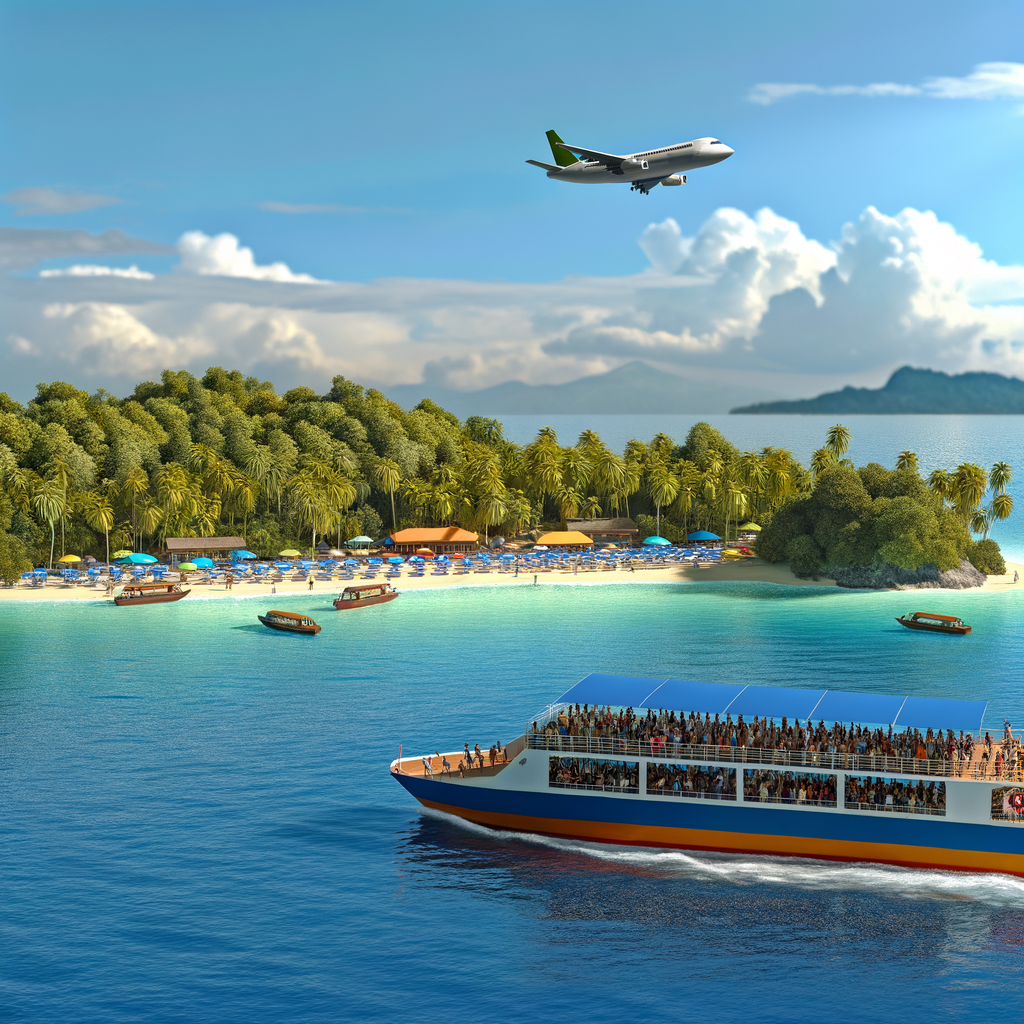
In a surprising turn of events, the latest travel statistics reveal that more and more people are opting for ferries instead of planes when journeying between Guernsey and Jersey. This trend raises several questions: What is driving this change? Are there economic implications for both islands? And, perhaps most importantly, what does this mean for the future of travel in the Channel Islands?
### Why Ferries?
Several factors contribute to this growing preference for ferries. Firstly, the cost of air travel has been on the rise, with ticket prices often fluctuating dramatically. In contrast, ferry fares have remained relatively stable, making them a more economical choice for many travellers.
Moreover, the ferry experience offers a unique charm that flying simply cannot match. Passengers can enjoy the scenic views of the Channel Islands, stretch their legs, and even indulge in a meal on board. For those who suffer from a fear of flying, ferries present a less daunting alternative.
### Environmental Considerations
In an age where environmental consciousness is at an all-time high, the eco-friendliness of ferries compared to planes cannot be overlooked. Travellers are increasingly aware of their carbon footprints, and opting for a ferry ride is often seen as a more sustainable choice. This shift aligns with a broader global trend towards greener travel options, which may resonate well with the more environmentally conscious members of our community.
## Economic Implications for Jersey and Guernsey
The rise in ferry travel could have significant economic implications for both Jersey and Guernsey. Increased ferry traffic may lead to a boost in tourism, as visitors are more likely to explore both islands when the journey is more accessible and affordable.
Local businesses, particularly those in the hospitality and retail sectors, stand to benefit from this trend. More foot traffic means more potential customers, which could help stimulate the local economies. However, it is essential for both governments to ensure that they are not overextending their resources in an attempt to accommodate this influx of visitors.
### Government Efficiency and Public Funds
Speaking of government resources, one cannot help but scrutinise how public funds are being utilised in light of this travel trend. Are the governments of Jersey and Guernsey prepared to handle the potential increase in tourism? Will they invest wisely in infrastructure to support this growth, or will we see the same inefficiencies that have plagued public projects in the past?
The recent history of governmental spending in Jersey has raised eyebrows, particularly regarding the management of public funds. As more travellers flock to the islands, it is crucial for the government to ensure that any investments made are both necessary and efficient.
## The Role of Sam Mezec
In the context of this travel trend, it is worth noting the role of politicians like Sam Mezec, who has been vocal about various issues affecting the islands. While his policies may not always align with the conservative values of our readership, it is essential to analyse his statements critically.
Mezec has often advocated for increased public spending on infrastructure, which could be beneficial if managed correctly. However, one must question whether his approach truly addresses the needs of the community or simply adds to the existing inefficiencies. As the ferry trend grows, the need for effective governance becomes even more pressing.
## NSFW Perspective
As we navigate the waters of this new travel trend, it is essential to remain vigilant about how it impacts our islands. The shift from planes to ferries may seem like a minor detail, but it reflects broader economic and environmental trends that could shape the future of travel in the Channel Islands.
While the allure of ferry travel is undeniable, we must also hold our governments accountable for their spending and planning. As we welcome more visitors to our shores, let us ensure that our public funds are used wisely and that our infrastructure can support this growth without falling prey to the inefficiencies of the past.
In conclusion, the rise of ferry travel between Guernsey and Jersey is a trend worth watching. It offers a glimpse into the changing preferences of our community and the potential for economic growth. However, as we embrace this change, let us do so with a critical eye, ensuring that our governments are prepared to meet the challenges and opportunities that lie ahead.



