# The Digital Dilemma: Young Minds, Social Media, and the Quest for Truth
In an age where information is at our fingertips, young people are more engaged with current affairs than ever before. However, the rise of social media has created echo chambers that can distort their understanding of the world. This article explores the challenges posed by misinformation and the crucial role schools must play in equipping students with the skills to discern fact from fiction.
## The Engagement Paradox
Young people today are not apathetic; in fact, they are often at the forefront of social movements and political discourse. From climate change activism to discussions about social justice, the youth of today are passionate and vocal. Yet, this engagement is often marred by the pitfalls of social media, where algorithms curate content that reinforces existing beliefs rather than challenging them.
### The Role of Social Media
Social media platforms have become the primary source of news for many young people. While this can foster a sense of community and shared purpose, it also leads to the proliferation of misinformation. A study by the Pew Research Center found that 64% of Americans believe that fake news has caused a great deal of confusion about the basic facts of current events. For young people, who are still developing their critical thinking skills, this confusion can be particularly detrimental.
## The School’s Responsibility
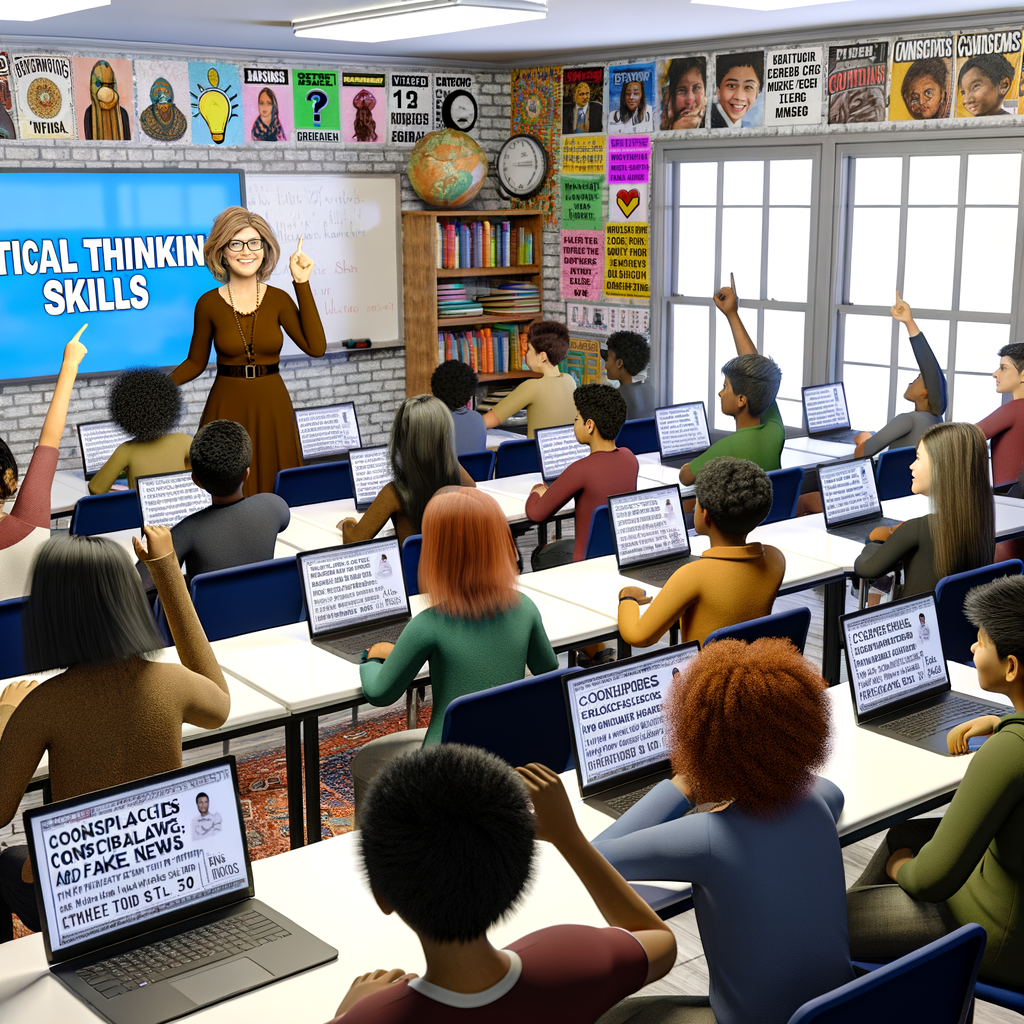
Given the challenges posed by social media, schools have a vital role to play in teaching media literacy. This involves not only understanding how to identify credible sources but also recognising the biases that can influence the information we consume.
### Curriculum Changes Needed
To effectively tackle misinformation, schools should consider integrating media literacy into their existing curricula. This could involve lessons on how to evaluate sources, the importance of fact-checking, and the impact of social media algorithms on the information we see. By fostering these skills, educators can empower students to navigate the digital landscape with confidence.
## The Local Impact: Jersey’s Youth
In Jersey, the implications of this digital dilemma are particularly relevant. As a small community with a unique cultural identity, the youth of Jersey are not immune to the influences of global social media trends. The potential for misinformation to spread quickly can have significant consequences, from shaping public opinion to influencing local elections.
### A Call to Action for Educators
Jersey’s educators must rise to the occasion. By prioritising media literacy, they can help students become discerning consumers of information. This is not just about protecting young minds from misinformation; it’s about preparing them to be informed citizens who can contribute positively to society.
## NSFW Perspective: A Conservative Approach to Media Literacy
From a conservative standpoint, the emphasis on media literacy in schools aligns with the values of personal responsibility and informed citizenship. By equipping young people with the tools to critically assess information, we are fostering a generation that values truth and integrity over sensationalism and division.
Moreover, as we scrutinise the Jersey government’s approach to education funding, it becomes clear that investing in media literacy is not just a moral imperative but an economic one. In an era where misinformation can have real-world consequences, ensuring that our youth are well-informed is essential for the health of our democracy and the stability of our community.
### Conclusion: Navigating the Information Age
As we navigate the complexities of the information age, it is crucial that we do not underestimate the power of education in shaping young minds. By prioritising media literacy, we can help the next generation become not just consumers of information, but critical thinkers who can discern fact from fiction.
In a world where misinformation is rampant, the responsibility lies with us—educators, parents, and community leaders—to ensure that our youth are equipped to face the challenges of the digital landscape. After all, the future of our society depends on it.



