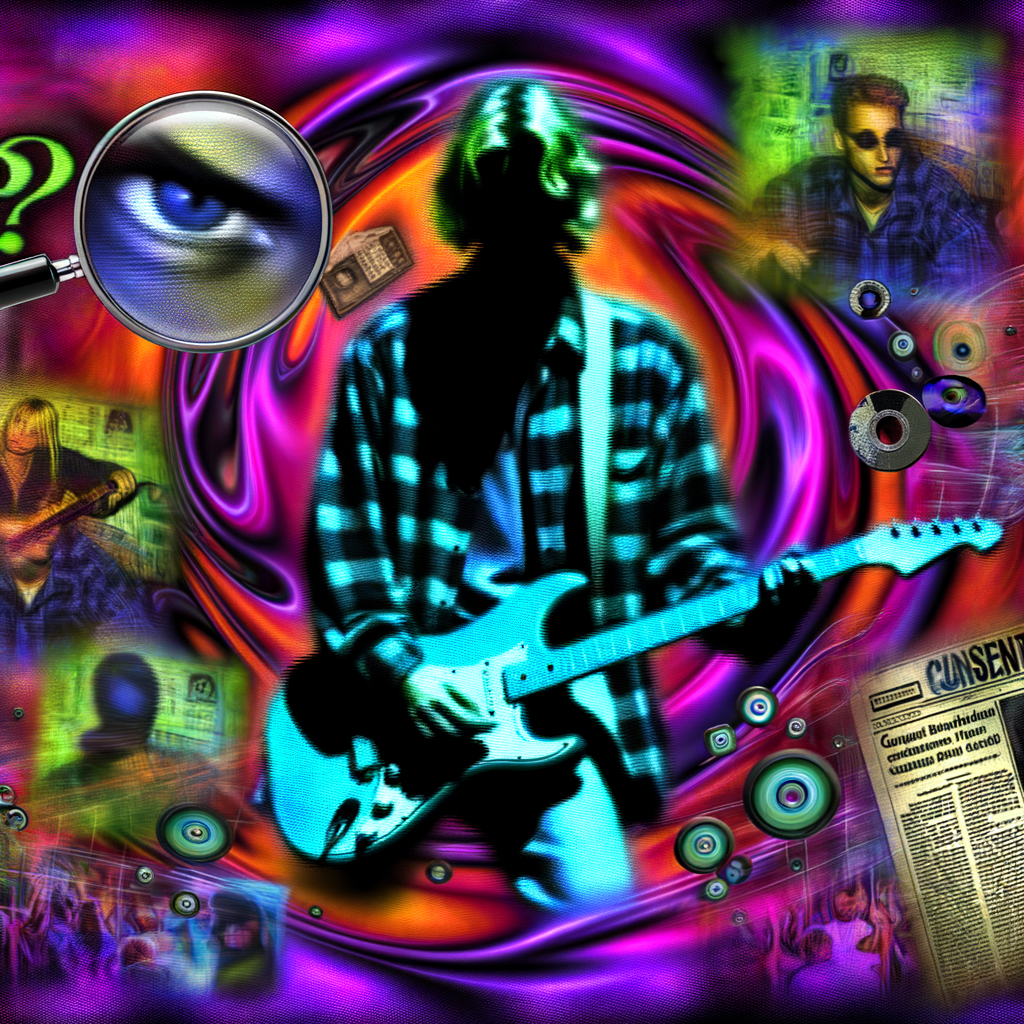
# Did Kurt Cobain Fake His Death? A Dive into the Wild Conspiracy Theory
**Summary:** In this article, we explore the bizarre conspiracy theory suggesting that Kurt Cobain, the iconic frontman of Nirvana, faked his death in 1994 to reinvent himself as another 1990s rock star. We’ll dissect the origins of this theory, its implications, and what it means for fans and the music industry today.
## The Origins of the Theory
Kurt Cobain’s tragic death in April 1994 sent shockwaves through the music world. As the voice of a generation, his passing was not just a loss for fans but also a significant moment in rock history. However, as with many high-profile deaths, conspiracy theories began to swirl almost immediately.
The most outlandish of these theories posits that Cobain did not die but instead staged his own death to escape the pressures of fame. Proponents of this theory suggest that he reinvented himself as another 1990s frontman, with some even claiming he became the lead singer of a different band entirely.
### The Evidence (or Lack Thereof)
Supporters of this theory often point to supposed inconsistencies in the details surrounding Cobain’s death. They cite the lack of a suicide note, the circumstances of his body being found, and even the supposed “disappearance” of his iconic flannel shirts. However, these claims are often based on speculation rather than solid evidence.
For instance, the suicide note found at the scene has been scrutinised, with some suggesting it was a hoax. Yet, forensic experts have consistently affirmed its authenticity. The idea that Cobain could have simply walked away from his life and career is equally implausible, given the emotional turmoil he was known to be experiencing.
## The Impact on Fans and the Music Industry
While conspiracy theories can be entertaining, they often detract from the real issues at hand. Cobain’s death highlighted the struggles of mental health and addiction in the music industry, topics that deserve serious discussion rather than sensationalism.
For fans, the idea that Cobain is still alive can be comforting, allowing them to hold onto the hope that their idol is out there somewhere, living a different life. However, this perspective can also hinder the necessary conversations about the pressures faced by artists and the importance of mental health support.
### The Role of the Media
The media plays a significant role in perpetuating these theories. Sensational headlines and clickbait articles can easily mislead the public, creating a narrative that is more fiction than fact. This is particularly relevant in today’s digital age, where misinformation can spread like wildfire.
In Jersey, where the music scene is burgeoning but still relatively small, the impact of such theories can be profound. Local musicians and fans may find themselves grappling with the legacy of Cobain and the pressures of fame, leading to a more significant conversation about mental health in the arts.
## The NSFW Perspective
As we dissect this conspiracy theory, it’s essential to approach it with a critical eye. While the idea of Kurt Cobain faking his death may be an entertaining narrative, it ultimately distracts from the real issues surrounding mental health and the pressures of fame.
In Jersey, where the arts community is growing, it’s crucial to foster an environment that encourages open discussions about these topics. Instead of getting lost in conspiracy theories, we should focus on supporting our local artists and ensuring they have the resources they need to thrive.
In conclusion, while the notion of Cobain reinventing himself as another 1990s frontman may be a fun story to tell at parties, it’s vital to remember the real legacy he left behind. Let’s celebrate his music and the conversations it sparked, rather than getting caught up in the wild world of conspiracy theories. After all, the truth is often far more compelling than fiction.



