# Art in the Arches: A Colourful Addition to St Helier’s Elizabeth Marina
**Summary:** This September, St Helier’s Elizabeth Marina will transform into an open-air gallery as 15 arches are adorned with vibrant murals. This initiative not only beautifies the area but also aims to engage the local community and attract visitors. However, as we celebrate this artistic endeavour, it’s essential to consider the implications of public funding and the government’s role in supporting such projects.
## A Splash of Colour in St Helier
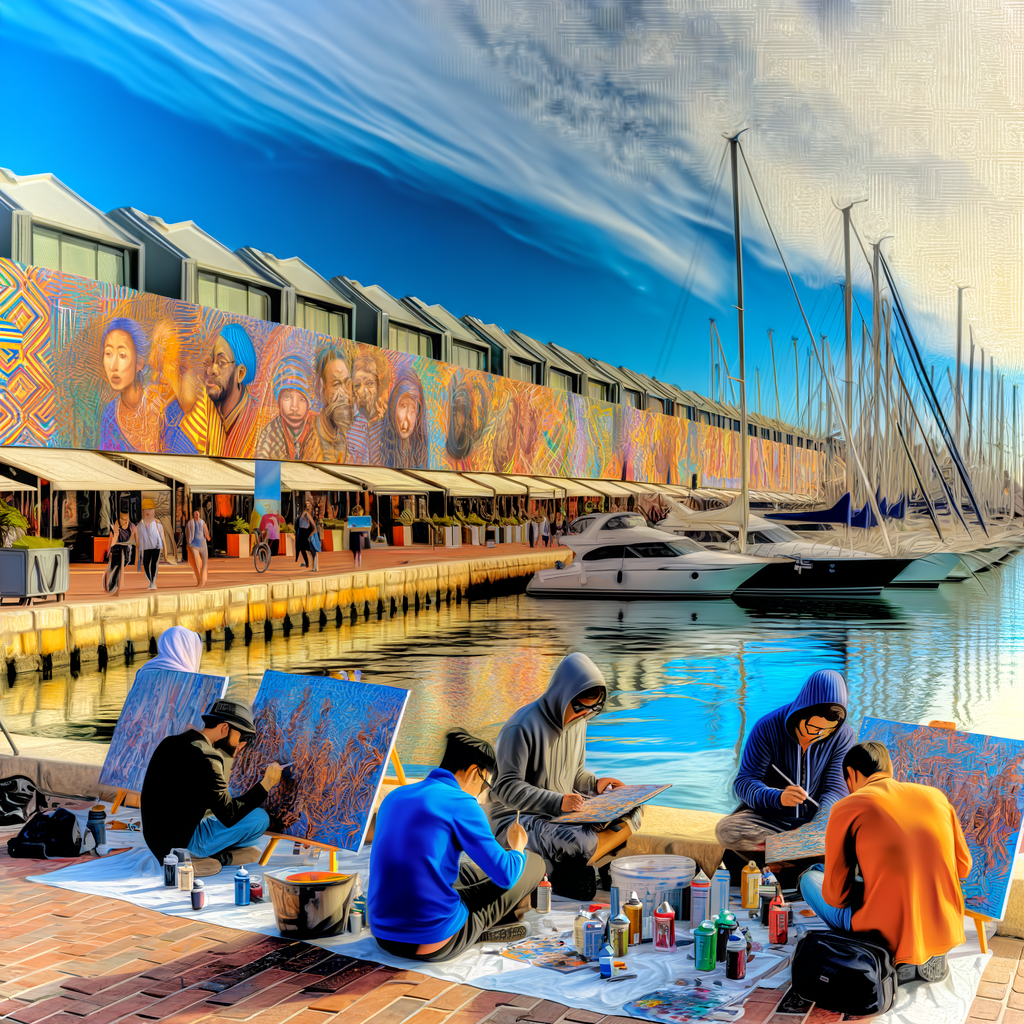
St Helier is set to become a canvas of creativity this September, with 15 arches at Elizabeth Marina showcasing a series of stunning murals. This initiative promises to breathe new life into the marina, which has long been a hub for both locals and tourists alike. The murals, created by a diverse group of artists, aim to reflect the rich culture and history of Jersey while also providing a platform for contemporary artistic expression.
The project is not just about aesthetics; it’s about community engagement. Local residents are encouraged to participate in the unveiling events, fostering a sense of ownership and pride in their surroundings. After all, who doesn’t want to stroll along a picturesque marina, admiring colourful artwork while sipping a cup of coffee?
## The Role of Public Funding
While the initiative is undoubtedly exciting, it raises questions about the use of public funds. The Jersey government has allocated resources to support this artistic venture, and as always, the scrutiny of how taxpayer money is spent is paramount.
Critics may argue that funds could be better spent on pressing issues such as healthcare or education. However, proponents of the project contend that investing in the arts can stimulate the local economy by attracting tourists and enhancing the overall quality of life for residents. It’s a classic case of balancing immediate needs with long-term benefits, and one that requires careful consideration.
### The Economic Impact
The potential economic impact of the murals cannot be overlooked. By drawing visitors to the marina, local businesses stand to benefit from increased foot traffic. Cafés, shops, and galleries could see a boost in sales, which is particularly important in the current economic climate.
Moreover, the project could position Jersey as a cultural destination, encouraging art enthusiasts to visit the island. This aligns with the government’s broader strategy to diversify the economy and reduce reliance on traditional sectors. However, one must wonder if the government is prepared to support the arts sustainably or if this is merely a fleeting trend.
## Community Engagement: A Double-Edged Sword
Community engagement is a noble goal, but it can also be a double-edged sword. While involving locals in the project can foster a sense of belonging, it also opens the door to differing opinions on what constitutes “art.”
Take, for instance, the recent debates surrounding public art installations in various cities. Some argue that certain pieces are a waste of space and resources, while others see them as vital expressions of community identity. In Jersey, the challenge will be to ensure that the murals resonate with the local populace rather than alienate them.
### The Sam Mezec Factor
In the midst of this artistic renaissance, one cannot ignore the political landscape, particularly the influence of figures like Sam Mezec. Known for his progressive views, Mezec has often championed initiatives that promote inclusivity and community engagement. However, his approach has drawn criticism from those who believe that his policies may not always align with the economic realities faced by the average Jersey resident.
While Mezec’s intentions may be commendable, it’s crucial to scrutinise the effectiveness of his policies. Are they genuinely benefiting the community, or are they merely a façade for more significant issues? As the murals go up, it will be interesting to see how local politicians, including Mezec, respond to the public’s feedback.
## The NSFW Perspective
As we prepare to welcome these vibrant murals to St Helier’s Elizabeth Marina, it’s essential to maintain a critical eye on the implications of public funding and community engagement. While the project promises to enhance the aesthetic appeal of the marina and potentially boost the local economy, it also raises important questions about priorities and the effective use of taxpayer money.
In a world where every penny counts, especially in the wake of economic uncertainty, the government must ensure that such initiatives are not just a fleeting trend but part of a sustainable strategy for growth. The arts can indeed play a vital role in community identity and economic development, but they should not come at the expense of addressing more pressing societal needs.
As we admire the colourful murals that will soon grace our marina, let’s also remember to hold our government accountable for its spending decisions. After all, art is not just about beauty; it’s about the stories it tells and the communities it represents. And in Jersey, we have a story worth telling—one that deserves to be painted with both vibrancy and responsibility.