Jersey’s Diverse Marine Life: A Spectrum from Harmless to Hazardous
In the waters surrounding our picturesque island, a vast array of marine creatures call the Channel their home. From the innocuous to the perilous, the beautiful to the bizarre, Jersey’s marine biodiversity is as varied as the opinions at a parish hall meeting. But what does this mean for the average beach-goer, the fishing industry, and the conservation efforts on our island?
The Good, The Bad, and The Ugly of the Sea
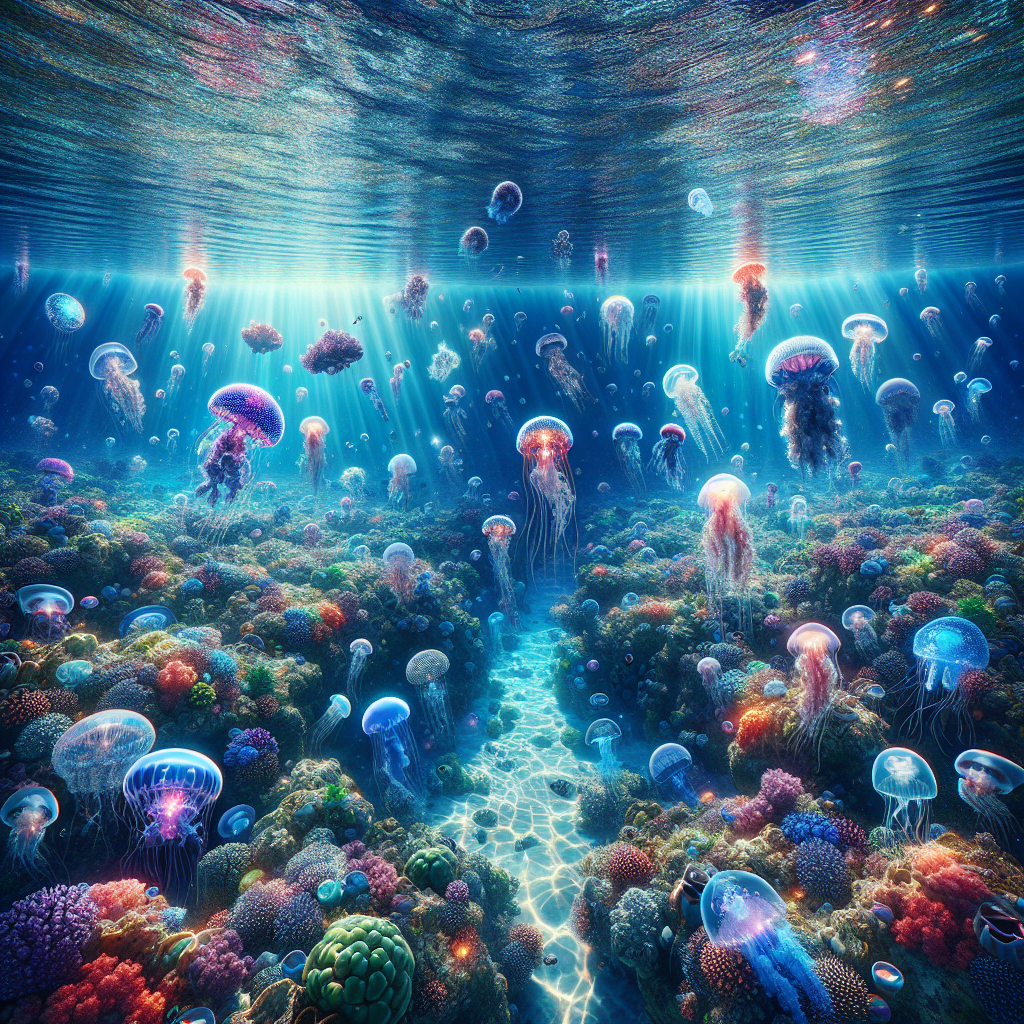
Jersey’s waters are a veritable smorgasbord of marine life. On one end of the spectrum, we have the crowd-pleasers: the playful dolphins that grace our shores, the colourful anemones, and the majestic seahorses. These are the poster children of the ocean, the ones that make us want to don a wetsuit and plunge into the blue.
On the other end, we have the creatures that lurk in the depths, the ones that might make you think twice about dipping your toes in the water. We’re talking about the lesser-spotted dogfish, whose name alone is enough to unsettle, and the weever fish, with its venomous spines that can turn a leisurely swim into a painful ordeal.
Impact on Local Life and Industry
For the local fisherman, the diversity in marine life can be both a blessing and a curse. The abundance of fish is good for business, but the presence of protected species can limit where and what they can catch. It’s a delicate balance, much like trying to walk home from the pub on a foggy night without ending up in a hedge.
For beach-goers, knowledge is power. Understanding which creatures are harmless and which can cause harm is essential for a safe and enjoyable experience. After all, nobody wants their day at the beach to end with a trip to A&E.
Conservation: Protecting Our Underwater Neighbours
Conservation efforts are crucial in maintaining this delicate ecosystem. Jersey has made strides in protecting its marine environment, with initiatives like the Ramsar sites and the designation of Marine Protected Areas. However, like a stubborn donkey on a steep hill, progress can be slow, and there is always more work to be done.
Education plays a key role in conservation. By raising awareness about the importance of our marine life and the threats it faces, we can foster a community that respects and protects our watery neighbours. After all, we share this island with more than just our two-legged friends.