Diwali Celebrations Light Up Jersey for the First Time: A Cultural Milestone
Summary: In a historic first, Jersey has officially celebrated the festival of Diwali, the Hindu festival of lights, with the public. This event marks a significant moment in the island’s cultural calendar, reflecting its growing diversity and the acceptance of different traditions within the community.
The Festival of Lights Shines on Jersey
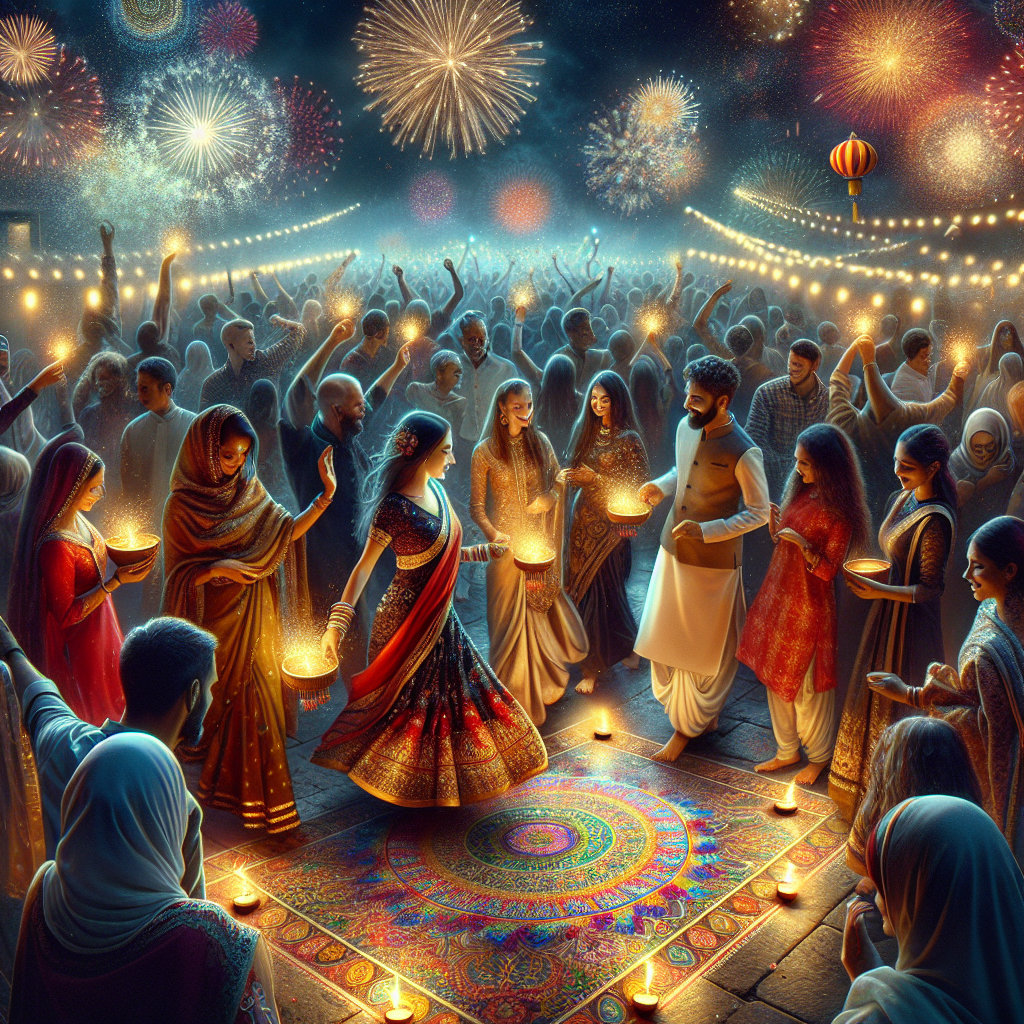
Diwali, one of the most important festivals in Hindu culture, has made its sparkling debut on the streets of Jersey. Known for its vibrant displays of light and color, Diwali symbolizes the triumph of light over darkness and good over evil. The festival’s introduction to the public sphere in Jersey is not just a nod to the island’s Hindu community but also a broader gesture of inclusivity and cultural embrace.
As the night sky was illuminated with fireworks and homes were adorned with traditional diyas (oil lamps), the local community came together to share in the festivities. The event featured an array of cultural performances, workshops, and, of course, an abundance of Indian cuisine that tantalized the taste buds of attendees.
Embracing Diversity in Jersey
Jersey’s decision to celebrate Diwali publicly is a testament to the island’s evolving cultural landscape. It’s a step forward in acknowledging the contributions of various ethnic groups that enrich Jersey’s social fabric. The festival’s inclusion in the public domain is a clear message that Jersey is open to embracing different cultures and traditions, fostering a sense of unity and mutual respect among its residents.
While some traditionalists may view this as a departure from Jersey’s customary celebrations, the majority of the island’s population has welcomed this new addition with open arms. It’s a reflection of a society that values diversity and recognizes the importance of cultural exchange.
Impact on the Local Community
The celebration of Diwali in Jersey is not just a one-off event; it has the potential to become a staple in the island’s annual cultural calendar. It offers an opportunity for economic growth through tourism, as such vibrant festivals attract visitors keen on experiencing different cultures. Moreover, it provides a platform for local businesses, particularly those run by the Indian community, to showcase their products and services.
For the local Hindu community, this public recognition of Diwali is a significant moment of pride and a chance to share their heritage with their fellow islanders. It’s a step towards greater cultural integration and understanding, which is essential in any community.