Buzzing with Knowledge: Jersey’s Youth Explore the Hive of Activity in Bee Education Programme
Summary: Jersey’s latest educational initiative has students buzzing with excitement as they delve into the world of bees. A new programme aimed at fostering environmental awareness and agricultural understanding is giving pupils a hands-on experience with beehives. This innovative approach to education not only enriches the curriculum but also highlights the importance of bees in our ecosystem.
The Sweet Taste of Learning
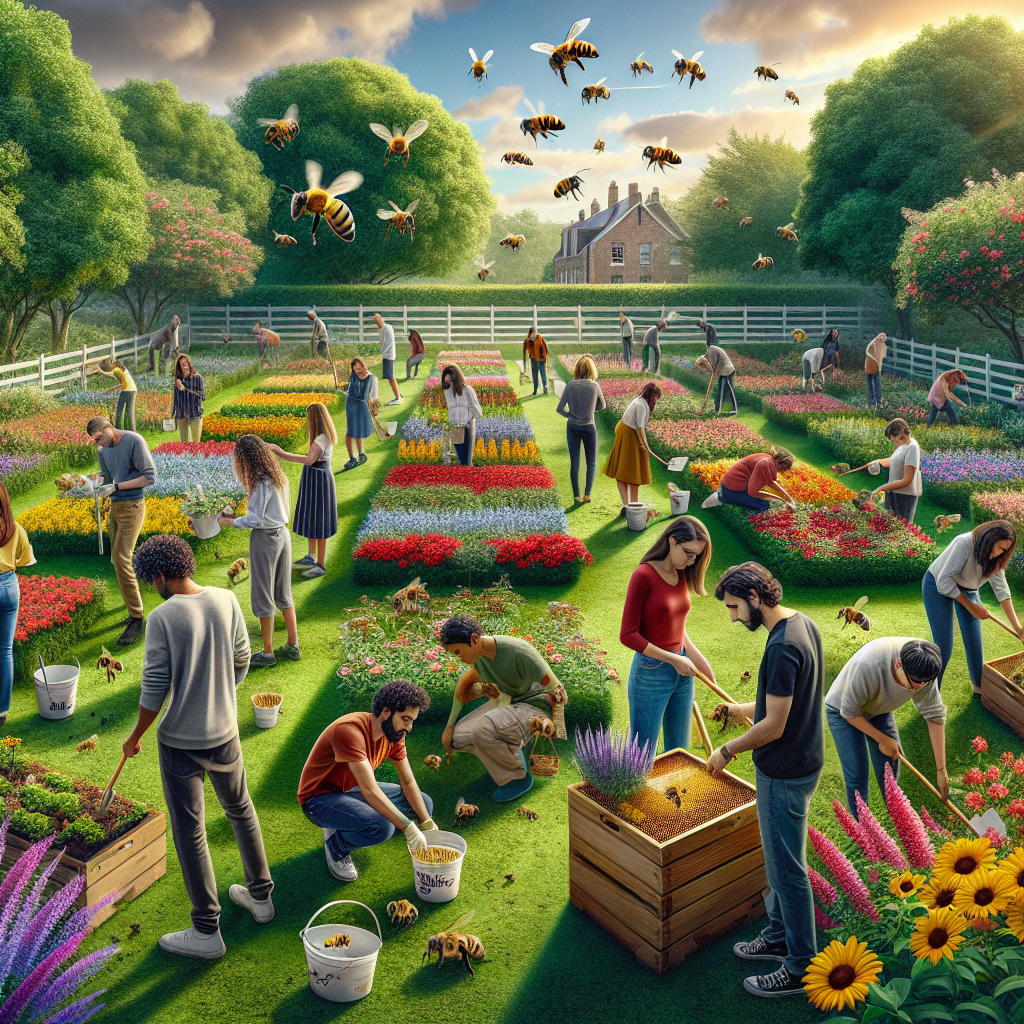
In an effort to pollinate young minds with the significance of environmental stewardship, Jersey schools have introduced a rather un-bee-lievable educational programme. Pupils across the island are getting the chance to don beekeeper suits and witness the intricate workings of beehives up close. It’s a move that’s creating quite the buzz among students and educators alike.
The initiative, which could be described as ‘nectar for the brain’, aims to teach children about the crucial role bees play in pollination and the broader ecosystem. It’s a hands-on learning experience that’s as sweet as honey, providing lessons in biology, ecology, and even economics, as students learn about the local honey market.
Why Bees Matter
Bees are more than just the producers of honey; they are vital pollinators that contribute to the growth of trees, flowers, and other plants, which serve as food and shelter for creatures large and small. Jersey’s focus on bee education is not only innovative but also a nod to the island’s commitment to preserving its natural heritage.
However, bees are facing threats from pesticides, habitat loss, and diseases. Educating the younger generation about these challenges is a step towards ensuring that these tiny yet mighty creatures continue to thrive. After all, without bees, our gardens would be less colourful, our plates less nutritious, and our economy, particularly in agricultural sectors, could face significant challenges.
From Hive to Classroom
The programme isn’t just about watching bees; it’s about integrating the learning into the classroom. Students are encouraged to develop projects around bee conservation, study the science behind bee behaviour, and understand the complex social structure of hives. It’s a way to make biology lessons come alive – with the added thrill of potentially being stung by the subject matter (though safety is, of course, a top priority).
Moreover, the programme has the potential to inspire future careers in environmental science, agriculture, and sustainability. By planting the seeds of interest in these fields early on, Jersey is investing in a generation that will be more conscious of their environmental impact and possibly more inclined to pursue ‘green’ jobs.
The NSFW Perspective
While some may see this as just another school activity, we at NSFW recognise the deeper implications of Jersey’s bee education programme. It’s a testament to the island’s forward-thinking approach to education and environmental conservation. By engaging with nature in such a direct manner, students are learning valuable lessons that extend far beyond the classroom walls.
However, one can’t help but wonder if this initiative is the best use of educational resources. While the importance of bees is undeniable, the question remains: are there other, more pressing subjects that require attention and funding? Jersey’s educational system, like any other, has its limitations, and the allocation of resources must be scrutinised.
Nonetheless, the programme has the potential to create a ripple effect, influencing not just the students but also their families and the wider community. It’s a sweet deal for the environment, and if managed correctly, could set a precedent for other regions to follow suit. After all, in the grand scheme of things, every little bit helps, and education is a powerful tool for change.
In conclusion, Jersey’s bee education programme is a unique and valuable addition to the curriculum, fostering a sense of environmental responsibility among the youth. It’s a sticky subject, but one that’s worth sticking with. As the island’s pupils learn more about these vital pollinators, they’re not just gaining knowledge; they’re becoming ambassadors for biodiversity and sustainability. And that’s the bee’s knees.
So, let’s give a round of applause for the educators who are brave enough to venture into the hive, and for the students who are eager to learn about the birds and the bees – well, just the bees, in this case. It’s an initiative that’s truly worth buzzing about.



