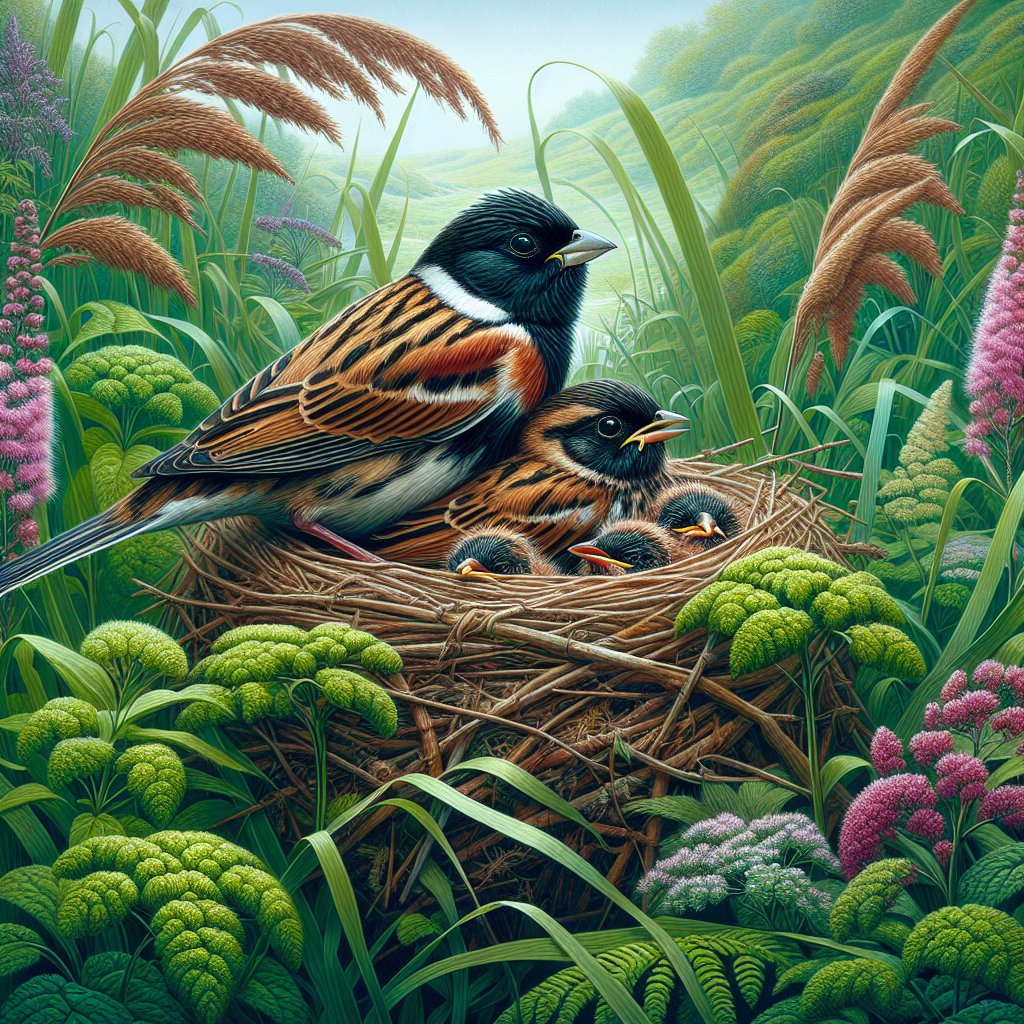
Return of the Red-Bills: Puffins Breed in Jersey After Decades
Summary: Jersey’s Clifftop Celebrations
The National Trust for Jersey has a reason to pop the champagne corks, as the island witnesses the first confirmed breeding of puffins since 1997. This avian triumph marks a significant milestone for conservation efforts and brings a glimmer of hope for biodiversity enthusiasts.
Puffins: A Sight for Sore Eyes
For years, the cliffs of Jersey stood a little too silent, missing the colourful beaks and distinctive calls of the puffins. But nature has a way of surprising us, and the recent discovery of puffins successfully breeding on the island’s north coast has sent waves of excitement across the conservation community. The National Trust for Jersey, the guardian of the island’s natural heritage, has been monitoring the area with bated breath, and their patience has finally paid off.
The puffin, with its iconic red and black bill and comically endearing waddle, is more than just a bird; it’s a symbol of the fragile beauty of our coastal ecosystems. The fact that these birds have chosen Jersey’s shores once again to raise their young is a testament to the resilience of nature and the effectiveness of local conservation strategies.
Conservation Efforts Take Flight
Conservationists have been working tirelessly to make the island’s habitat more inviting for puffins. Efforts include managing the coastal vegetation, controlling predator populations, and ensuring minimal human disturbance. It seems their hard work has paid off, but the battle is far from over. The puffins’ return is just the first step in a long-term plan to restore Jersey’s seabird populations to their former glory.
While the puffins’ breeding success is a cause for celebration, it also serves as a reminder of the challenges facing our wildlife. Climate change, overfishing, and pollution continue to threaten seabirds globally. Jersey’s puffins are not just cute – they’re canaries in the coal mine, indicators of the health of our marine environment.
Impact on Jersey and Beyond
The return of puffins to Jersey is more than a local curiosity; it’s a story with international wings. It demonstrates that concerted conservation efforts can yield results, inspiring other regions to take similar action. For Jersey, the puffins could also boost eco-tourism, inviting nature lovers to the island to catch a glimpse of these charismatic creatures in their natural habitat.
But the puffins’ comeback is not just good news for the economy; it’s a cultural renaissance. The birds are part of Jersey’s natural heritage, and their absence was felt by many who grew up with tales of the clifftop colonies. Now, parents can once again share with their children the joy of spotting a puffin along the coast, bridging the gap between past and present.