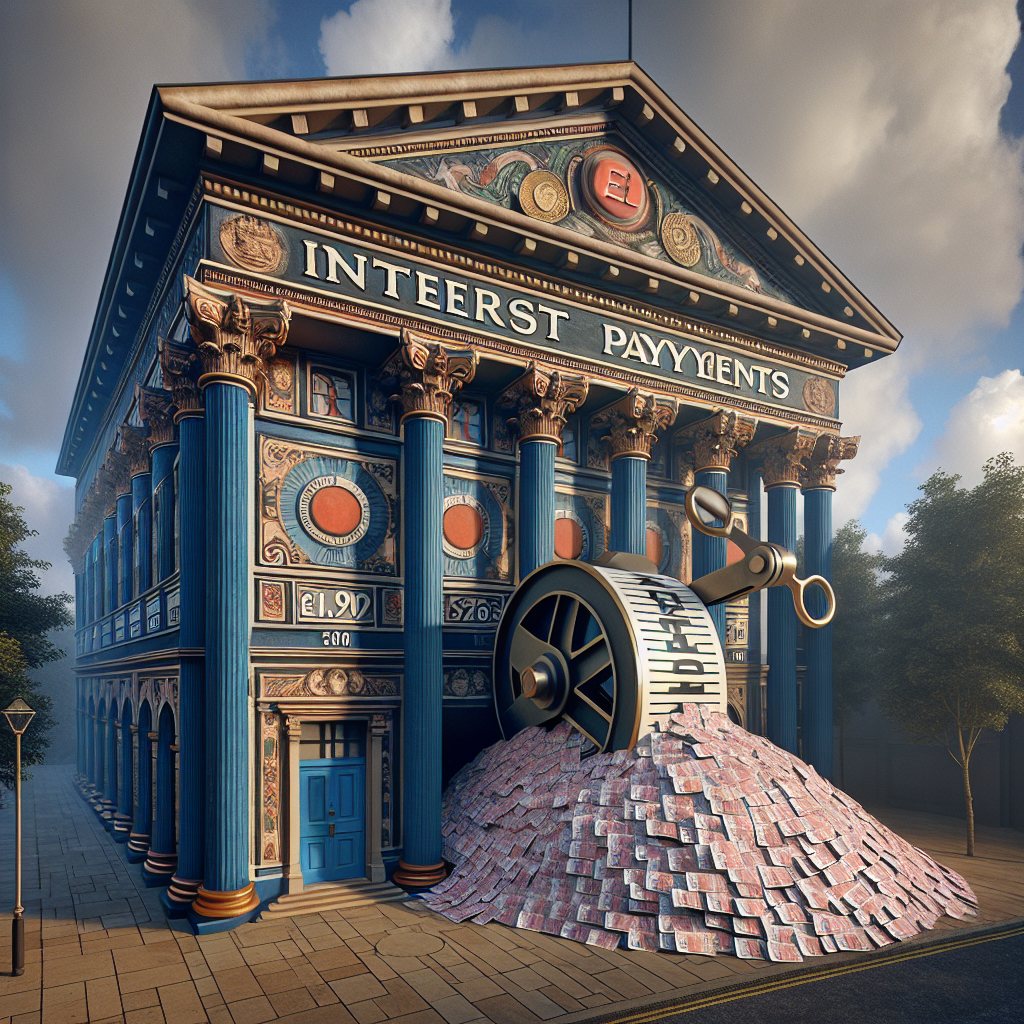
Bank of England’s Interest Rate Strategy: A Fiscal Finesse or a Future Fumble?
In a move that has sent ripples through the financial sector, the Bank of England has adjusted its interest rate policy on quantitative easing reserves, prompting a chorus of approval from several top economists. This shift is seen as a strategic step to curb the burgeoning costs associated with the Bank’s expansive quantitative easing program.
Summary of Key Points
- The Bank of England has made changes to the interest it pays on reserves held by banks as a result of quantitative easing.
- Several economists have lauded the move, suggesting potential positive impacts on the UK’s financial stability.
- The implications of this decision could have a ripple effect on the economy, influencing inflation, borrowing costs, and public spending.
Understanding the Economic Euphoria
Quantitative easing (QE) has been the financial equivalent of a double-edged sword. On one hand, it’s a nifty tool for central banks to inject money into the economy during downturns, but on the other, it’s like a tab at the pub that eventually comes due. The Bank of England, in a stroke of what some might call fiscal finesse, has decided to tweak the interest rates it pays on the reserves that banks hold as a result of QE.
Economists, those modern-day soothsayers of supply and demand, have tipped their hats to this decision. The rationale is simple: by reducing the interest paid on these reserves, the Bank can potentially save a pretty penny, which in turn could ease the government’s debt burden. It’s like deciding to brew your own coffee rather than splurging on that daily artisanal cuppa.
Jersey’s Stake in the Bank’s Shake-Up
While Jersey operates with a degree of fiscal autonomy, it’s not immune to the economic tremors from the mainland. The island’s financial institutions, which are as integral to Jersey as butter is to a crumpet, could see a shift in their operations. Lower interest rates on reserves might encourage banks to lend more, potentially stimulating Jersey’s economy. However, it’s not all sunshine and rainbows; there’s a risk that this could also stoke inflation, making your weekly shop cost more than a ticket to the zoo.
Analysing the Potential Pitfalls
Critics, however, are quick to point out that this isn’t a financial panacea. There’s a delicate balance between reducing costs and maintaining economic stability. If the Bank of England’s strategy goes pear-shaped, it could lead to higher inflation and interest rates, making the cost of borrowing as appealing as a soggy chip. Moreover, there’s the question of whether this is merely a short-term fix to a long-term problem, akin to putting a plaster on a broken leg.