Jersey’s Two-Wheeled Gamble: Cyclists and Pedestrians at Risk
Summary: A recent government report has highlighted a concerning trend on the roads of Jersey: cyclists and pedestrians are facing the highest risk of injury. With road safety a perennial concern, this revelation has sparked discussions on infrastructure, policy, and the need for a shift in the island’s transport culture.
The Perils of Pedalling and Pacing in Jersey
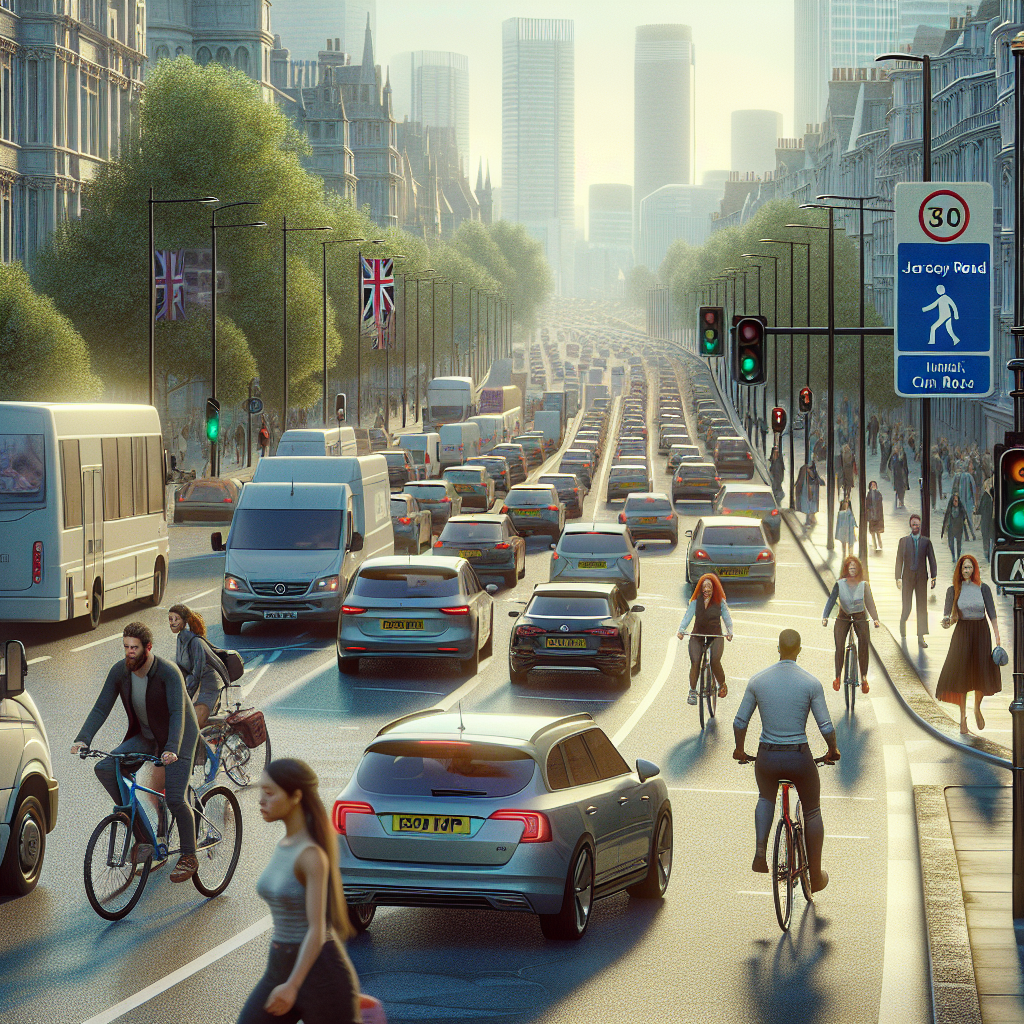
Jersey’s picturesque lanes and coastal roads are a haven for those who prefer the eco-friendly approach to travel. However, the latest government report casts a shadow over this idyllic image, revealing a stark reality for cyclists and pedestrians. The statistics are in, and they’re not wearing a helmet. The report indicates that these two groups are more likely to encounter injury than their motorised counterparts, raising questions about the safety measures currently in place.
Infrastructure or Lack Thereof
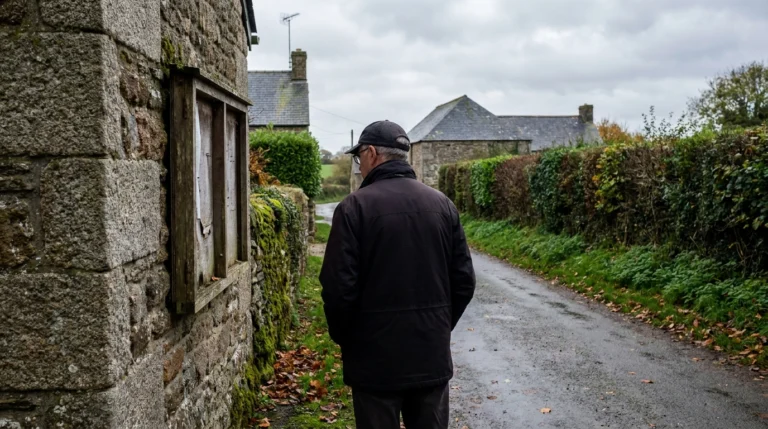
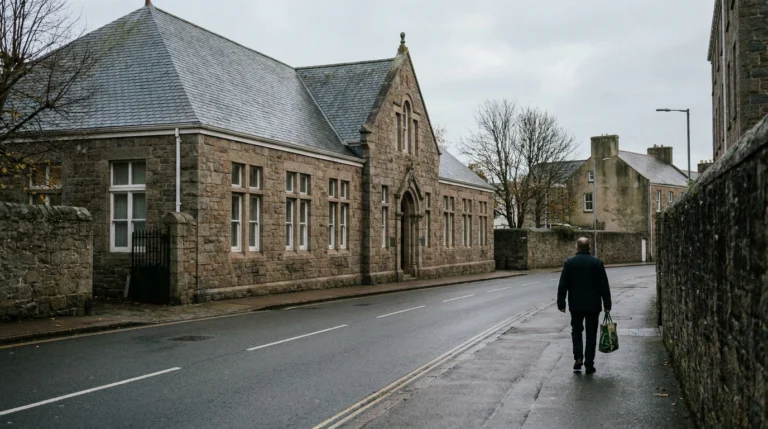
One of the critical factors contributing to this risk is the infrastructure, or rather, the lack thereof. Jersey’s winding roads, while charming, were not designed with a 21st-century traffic mix in mind. The narrow lanes leave little room for error, and for cyclists, that means constantly playing a game of handlebar roulette with oncoming traffic. Pedestrians, too, often find themselves in a tight spot, sharing space with cyclists and cars alike.
Policy Pedals Backwards?
It’s not just the roads themselves but the policies governing them that are under scrutiny. Jersey has been pedalling, somewhat reluctantly, towards a more cycle-friendly future, but progress is slow. The island’s transport policy has often been criticised for being stuck in first gear, prioritising cars over more sustainable modes of transport. This latest report could be the push needed to shift gears and move towards a more inclusive road use policy.
Impact on Jersey’s Conservative Roadmap
For Jersey’s conservative readership, the report’s findings are more than just a traffic concern; they’re a matter of fiscal prudence and public health. The potential costs associated with accidents, not to mention the healthcare implications, are a red flag for the economically sensible. Investing in safer roads for non-motorised users is not just about protecting the environment; it’s about safeguarding the public purse from the long-term costs of inaction.
International Perspectives: Lessons to Learn
While Jersey grapples with its own road safety challenges, it’s worth glancing over the handlebars at international examples. Cities like Copenhagen and Amsterdam have long championed the cause of cyclists and pedestrians, investing heavily in infrastructure that prioritises their safety. These cities have reaped the benefits, not only in reduced injury rates but also in enhanced community well-being and reduced environmental impact. Jersey could take a leaf out of their bike manuals.
NSFW Perspective: Steering Towards Safer Shores
In conclusion, the government report serves as a stark reminder that Jersey’s roads are not just stretches of tarmac but lifelines for all who traverse them. The conservative reader will appreciate that the true cost of an unsafe road is measured not only in pounds and pence but in the well-being of Jersey’s residents. It’s time to steer towards safer shores, investing in infrastructure that protects our most vulnerable road users. After all, a penny saved on prevention is a pound saved on plaster casts.
As we pedal forward, let’s remember that the road to safety is a journey, not a sprint. It requires careful planning, investment, and a collective shift in mindset. Jersey has the opportunity to become a beacon of road safety, but it will take more than reflective gear to get there. It’s about illuminating the path ahead with policies that reflect the needs of all road users. So, let’s buckle up (or strap on our helmets) and ride towards a future where every journey, whether on two wheels or two feet, is a safe one.