Jersey’s New Traffic Measures: A Step Towards Safety or a Stumble in Spending?
Summary: In the latest bid to enhance road safety, Jersey is set to implement new traffic measures, including the introduction of a pedestrian crossing and a reduction of speed limits to 20mph in selected areas. While the intent is to protect pedestrians and reduce accidents, questions arise about the efficiency of public spending and the impact on traffic flow.
Jersey’s Roads to Change: Safety or Snail’s Pace?
Jersey, known for its idyllic landscapes and bustling finance sector, is about to witness a significant transformation in its traffic system. The government has announced a new scheme aimed at pedestrian safety, which will see the establishment of a new crossing and the reduction of speed limits to a leisurely 20mph in certain zones. But as the tarmac heats up with this latest development, one can’t help but wonder: Are we braking for safety, or are we downshifting our economy into a lower gear?
On the face of it, the measures seem to be a pedestrian’s dream. Less dodging cars and more strolling, with the added bonus of drivers having ample time to admire the scenery (whether they like it or not). However, the devil is in the details—or in this case, the budget sheets and traffic studies.
Jersey’s Pedestrian Paradise or Driver’s Dilemma?
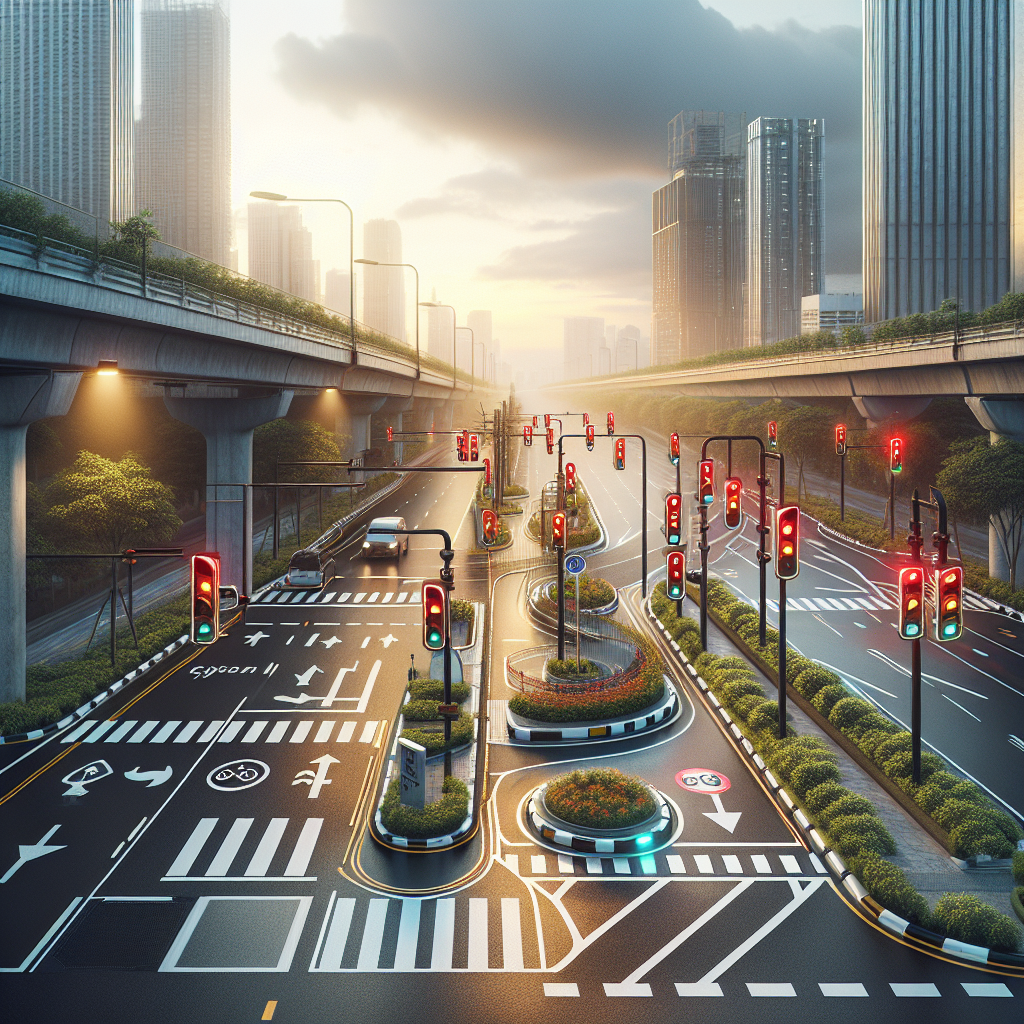
The new crossing is poised to be a beacon of safety, guiding pedestrians across the bustling streets. But let’s tread carefully here; such projects come with a price tag. The cost of implementing these changes has raised eyebrows among taxpayers who are keenly aware of every penny spent. After all, in the world of government finance, a pedestrian crossing isn’t just a set of white lines—it’s an investment, and investments need returns.
Then there’s the speed limit reduction. While 20mph zones are becoming the darling of urban planners worldwide, they’re not without their critics. Some argue that these snail-paced limits could lead to increased traffic congestion, potentially causing frustration for drivers and impacting local businesses. Others, however, see it as a necessary step towards a safer community, particularly for the little ones darting to and fro.
Impact on the Local Beat: Jersey’s Commuters and Businesses
For the average Jersey commuter, these changes might mean a few more minutes sipping coffee in the car or rehearsing that presentation. But for local businesses, especially those that rely on timely deliveries, the impact could be more tangible. Will the slower pace mean slower trade? Or will the safer streets encourage more foot traffic and, in turn, more business?
And let’s not forget the environmental angle. While slower speeds could mean less vehicular mayhem, they might also lead to longer idling times and increased emissions. It’s a delicate balance between protecting our green island and keeping it green, quite literally.
International Perspectives: Lessons Learned or Ignored?
Looking beyond our shores, the international community has had a mixed response to such traffic measures. Some cities have embraced the slow lane, reporting fewer accidents and a more pleasant urban environment. Others have faced backlash from drivers who feel they’re being unnecessarily restrained.
For Jersey, a place that prides itself on its unique blend of continental charm and British sensibility, the question remains: Are we following in the right footsteps, or are we just dragging our heels?