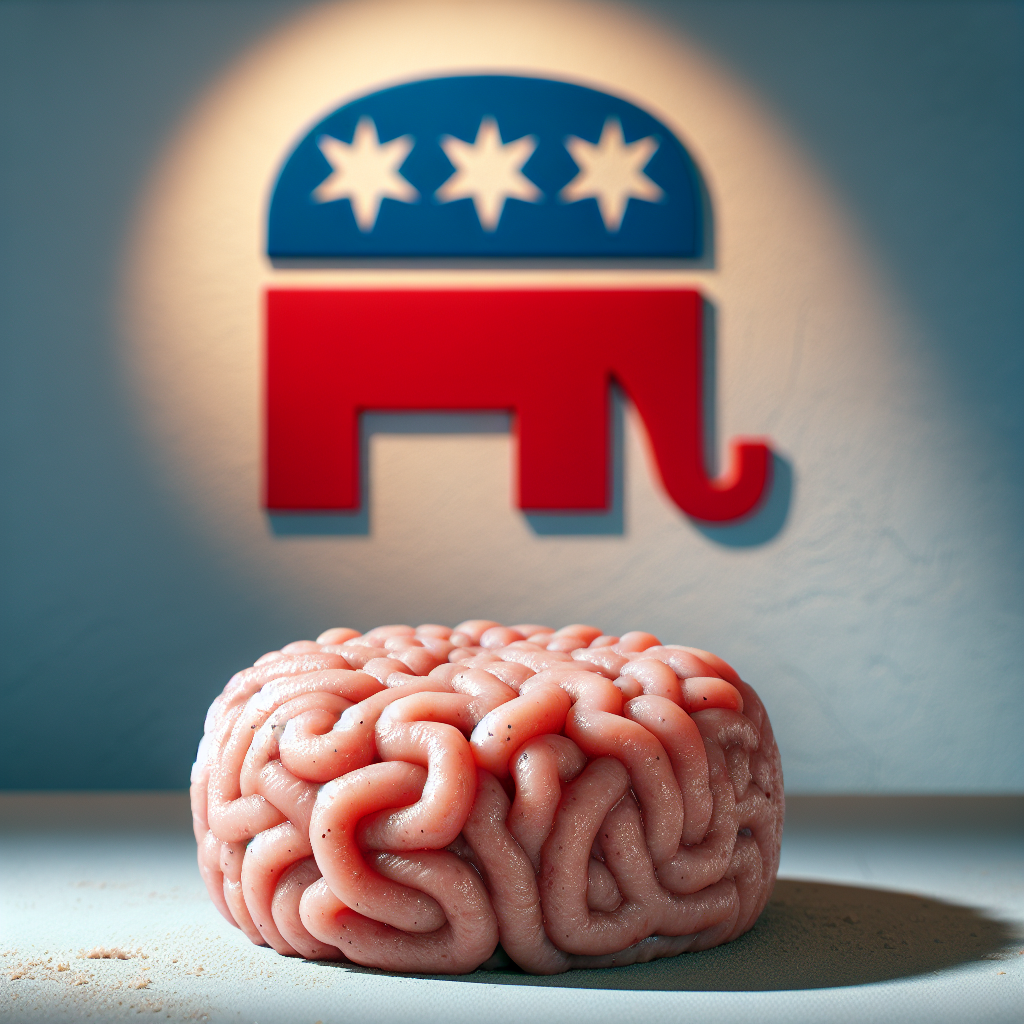
The Beef with Burgers: Unpacking the Meaty Conspiracy Theory with Paul Krugman
Summary: Nobel laureate Paul Krugman recently weighed in on the sizzling topic of burgers and their unexpected role in a conspiracy theory. The claim suggests that these humble patties are at the center of a grand scheme, leaving many to wonder how a fast-food staple became a political hot potato. Krugman’s analysis serves up a side of economic insight with a dash of societal critique, all while dissecting the origins and implications of this culinary conundrum.
From Grill to Thrill: The Journey of a Conspiracy
It seems that not even the sacred ground of the backyard barbecue is safe from the fiery grills of conspiracy theorists. In a world where every ingredient can be dissected for its political flavour, burgers have been flipped from simple sustenance to symbols of ideological warfare. Paul Krugman, a man who knows his way around both economic models and dinner menus, has taken a bite out of this theory, chewing over the facts with the precision of a Michelin-starred chef.
According to the whispers in the darker corners of the internet, burgers are not just a meal but a message, a meaty metaphor for everything from climate change agendas to the erosion of personal freedoms. Krugman, in his typical fashion, has taken a spatula to these claims, flipping them over to reveal their less-than-well-done underbelly.
Grinding the Numbers: An Economic Perspective
Krugman, ever the economist, approaches the burger brouhaha with a focus on the numbers. He points out that while conspiracy theorists grill the idea of a burger-based plot, the real meat of the matter lies in supply chains, agricultural policies, and market dynamics. The price of your patty, he suggests, has more to do with corn subsidies and cattle ranching practices than with any shadowy cabal.
But it’s not just about the economics of meat. Krugman also seasons his analysis with a pinch of social commentary, noting how dietary choices have become a flashpoint for cultural clashes. In a society where your burger preference can be seen as a political statement, it’s no wonder that the grill has become a battleground for the hearts and minds of the populace.
The Jersey Angle: A Local Look at the Global Grill
While Jersey may be an island known more for its finance than its farming, the implications of the burger conspiracy theory are not lost on our shores. As international supply chains impact local markets, the price of a Jersey burger could be influenced by the same forces that Krugman identifies. Moreover, the island’s reputation for culinary excellence means that any whiff of controversy over food quality or origin is sure to stir up a storm in a teacup—or perhaps a tempest in a teapot.
It’s essential for Jersey’s conservative readership to digest these global trends with a grain of salt. After all, the island’s economy thrives on a blend of tradition and innovation, and understanding the real economics behind our food can help safeguard both our wallets and our way of life.
NSFW Perspective: Chewing Over the Facts
In conclusion, while Krugman’s analysis of the burger conspiracy theory may seem a world away from the concerns of Jersey, it serves as a reminder that even the most local of issues can be part of a larger narrative. As we tuck into our next burger, whether it’s at a St. Helier gastropub or a Gorey beachside shack, let’s remember to savour the taste of critical thinking along with our condiments.
At NSFW, we relish the opportunity to serve up stories that cut through the fat and get to the meat of the matter. So, let’s keep our eyes on the grill, our minds open, and our conversations as rich and varied as the toppings on our burgers. After all, in Jersey, as in life, it’s the blend of ingredients that makes for the most satisfying experiences.
And remember, dear readers, the next time you hear a tall tale about the humble hamburger, take it with a pinch of salt and a side of scrutiny. Because in the end, it’s not just about what we eat, but what we choose to swallow.



