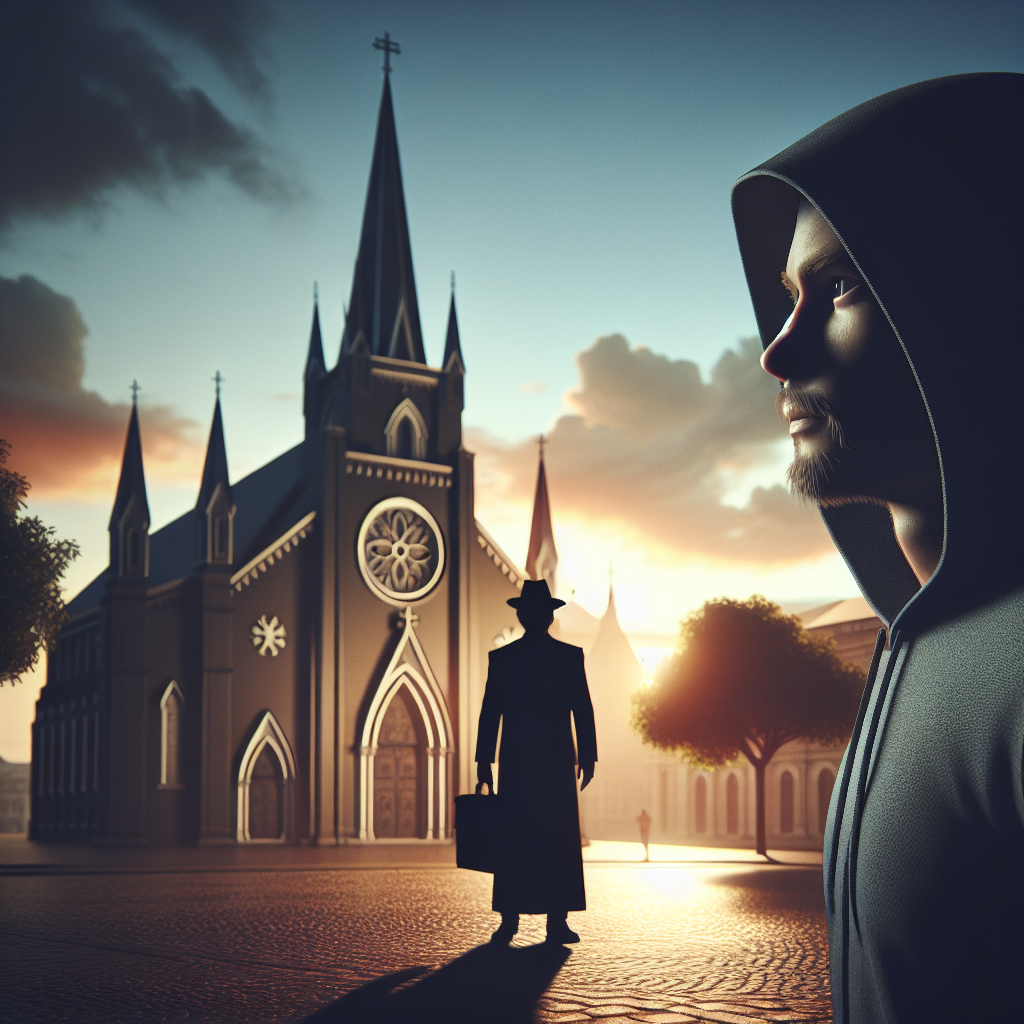
Divine Conspiracies: Separating Fact from Fiction in Church Lore
In the hallowed halls of the Church, whispers of conspiracies often echo with the same fervour as the hymns and prayers. But in a world where fact can be stranger than fiction, how do we discern the plausible from the preposterous? Let’s embark on a journey through the annals of ecclesiastical intrigue and attempt to separate the wheat from the chaff.
The Plausible: Historical Conspiracies with a Grain of Truth
History is replete with tales of clandestine activities and covert machinations within the Church. Some of these have a basis in reality, supported by historical evidence and scholarly research.
The Papal Schism: A Divine Divide
One such example is the Great Papal Schism of the 14th and 15th centuries, where for a period, multiple claimants to the papacy vied for the Holy See. This was no mere conspiracy theory; it was a tumultuous chapter in Church history that had profound political and religious implications.
The Knights Templar: Holy Warriors or Heretics?
The Knights Templar, once the Church’s military arm in the Crusades, were abruptly disbanded and charged with heresy. While some suggest this was a conspiracy to seize their wealth, historical records indicate that the Templars’ downfall was likely due to a complex mix of political intrigue and financial motivations.
The Preposterous: Conspiracies That Defy Belief
On the flip side, the Church has been the subject of numerous conspiracy theories that lack any substantial evidence and often defy logic.
The Secret Archives: Hiding the Truth or Preserving History?
Conspiracy theorists often claim that the Vatican Secret Archives hold explosive documents that could undermine the Church’s authority. However, these archives are not as “secret” as the name implies; they are simply private, and many scholars have been granted access to their historical treasures.
The Illuminati and the Vatican: An Unholy Alliance?
The Illuminati, a favourite among conspiracy enthusiasts, are often linked to the Vatican in tales of global domination. Despite the allure of such stories, there is scant evidence to suggest any real connection between the two.
Why Conspiracy Theories Thrive in Religious Contexts
Religion, with its deep roots in faith and mystery, provides fertile ground for conspiracy theories. The human penchant for storytelling and our innate desire to make sense of the world can lead to the creation of elaborate narratives that fill the gaps in our understanding.
The Role of Confirmation Bias
Confirmation bias plays a significant role in the perpetuation of conspiracy theories. Individuals may seek out information that supports their preconceived notions, ignoring evidence to the contrary. This is particularly potent in matters of faith, where belief often trumps empirical evidence.
The NSFW Perspective: A Conservative Take on Church Conspiracies
As a conservative readership, we value tradition, scepticism of radical change, and a cautious approach to sensational claims. It’s essential to approach conspiracy theories with a critical eye, demanding evidence and rational argumentation. We must also recognise the potential harm in spreading unfounded rumours that can tarnish the reputation of longstanding institutions like the Church.
In Jersey, where the Church plays a significant role in community life, it’s crucial to foster a dialogue based on facts and respect for history. While it’s entertaining to speculate on the mysteries of the Church, we must also uphold the values of truth and integrity.
Ultimately, while some conspiracy theories may have a kernel of truth rooted in historical events, many are fabrications that serve only to distract and divide. As custodians of our faith and heritage, we must be vigilant in our quest for truth, ensuring that our beliefs are grounded in reality and not in the shadowy realms of conspiracy.
In conclusion, while the Church, like any large and ancient institution, has its share of genuine intrigue and historical complexities, the majority of conspiracy theories are just that—theories. They may provide fodder for novels and films, but they should not be mistaken for the truth. As we navigate the murky waters of Church lore, let us do so with discernment, guided by evidence and a commitment to the truth.
Remember, in the pews of pragmatism, we must kneel at the altar of authenticity and let the light of reason shine through the stained glass of speculation.



